
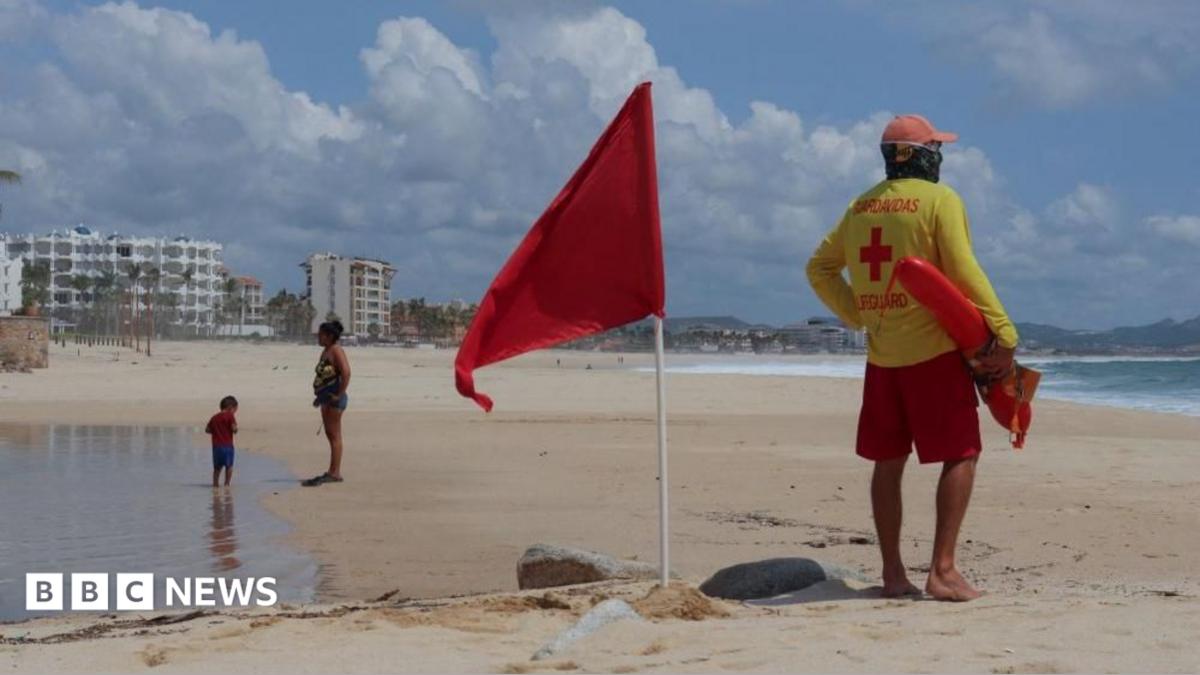
Communities along Mexico's northern Pacific coastline are preparing for the arrival of Hurricane Polo, a powerful Category 3 storm expected to make landfall late Monday or in the early hours of Tuesday. The hurricane is tracking toward Baja California Sur, a state that draws large numbers of international visitors and is home to the well-known resort area of Los Cabos.
According to the US-based National Hurricane Center (NHC), Polo is packing maximum sustained winds of approximately 115 mph (185 km/h), placing it firmly in the major hurricane category. Forecasters expect the storm's center to pass over or very near the southern tip of the Baja peninsula, a region that has weathered several significant storms in recent years.
Meteorologists have raised alarms about the potential for torrential rainfall, warning that the downpours could trigger life-threatening flooding and mudslides. The risk is especially acute in areas of steep, mountainous terrain, where saturated ground can give way quickly and send debris flows into populated valleys and coastal communities.
Ahead of the storm's approach, residents spent Sunday gathering basic necessities, with drinking water and non-perishable food among the items in highest demand. Long lines formed at stores as families took steps to ride out the storm indoors, a familiar ritual in a region accustomed to the annual Pacific hurricane season.
The NHC also cautioned about the storm surge Polo could generate as it nears the coast. Forecasters said the surge may be accompanied by large and destructive waves, capable of damaging coastal infrastructure, eroding beaches, and threatening anyone who ventures near the shoreline during the height of the storm.
In Cabo San Lucas, the town celebrated for its natural rock arch, local authorities moved to restrict beach access as a safety measure. Several restaurants in the community also shut their doors. The town serves as a hub for sport fishing and whale watching, two industries that depend on calm seas and predictable conditions, both of which have now been upended by the approaching hurricane.
The regional government of Baja California Sur has ordered schools to stay closed on Monday as a precautionary step, keeping students and staff away from potentially dangerous travel conditions. Governor Víctor Manuel Castro Cosío said temporary shelters have been opened in case residents need to be evacuated from low-lying or vulnerable areas.
Federal authorities have likewise ramped up their response, deploying thousands of navy and army personnel to the region along with specialised machinery. The presence of military and civil protection resources is intended to speed up rescue operations, clear debris, and restore essential services once the storm has passed.
Polo has taken a slow path toward Mexico's coastline, a characteristic that can prolong the damage a storm inflicts. A sluggish forward speed often means a location endures heavy rain and strong winds for an extended period, increasing the total accumulation of rainfall and the likelihood of flooding.
Meteorologists attribute the storm's strength to unusually warm ocean waters, a condition they link to the El Niño climate phenomenon. Warmer surface temperatures give hurricanes more energy to draw upon, helping them intensify rapidly and maintain their power as they approach land. The same El Niño pattern has been the subject of recent scientific attention, with experts noting its development into one of the strongest events on record.
The combination of intense winds, heavy rain, and a potent storm surge makes Polo a multi-hazard event rather than a single threat. Emergency planners typically focus on each of these dangers separately: wind can tear roofs from buildings and bring down power lines, rain can overwhelm drainage systems and trigger landslides, and surge can inundate coastal streets and ground-floor structures.
Tourism-dependent communities in Baja California Sur face a delicate balance during such events. Visitors are often advised to leave vulnerable areas or remain in secure accommodations, while local businesses must decide whether to close and protect their properties. The closure of restaurants and the restriction of beach access in Cabo San Lucas reflect that calculation, prioritising safety over short-term commerce.
Authorities have emphasised that residents should heed official warnings and be prepared to relocate if instructed. Temporary shelters, military support, and school closures are all part of a broader effort to reduce the risk of casualties. Officials acknowledge, however, that the true test will come after landfall, when damage assessments begin and the scale of the recovery effort becomes clear.
The storm's approach follows days of monitoring by forecasters, who have tracked Polo's slow movement across the eastern Pacific. While the exact point of landfall remains subject to revision, the NHC's warnings indicate that a wide swath of the peninsula should anticipate dangerous conditions regardless of where the center ultimately crosses the coast.
For now, residents and holidaymakers alike are watching the skies and listening for updates, aware that the next 24 to 48 hours will determine how severely Hurricane Polo affects one of Mexico's most popular coastal regions.








(0)