
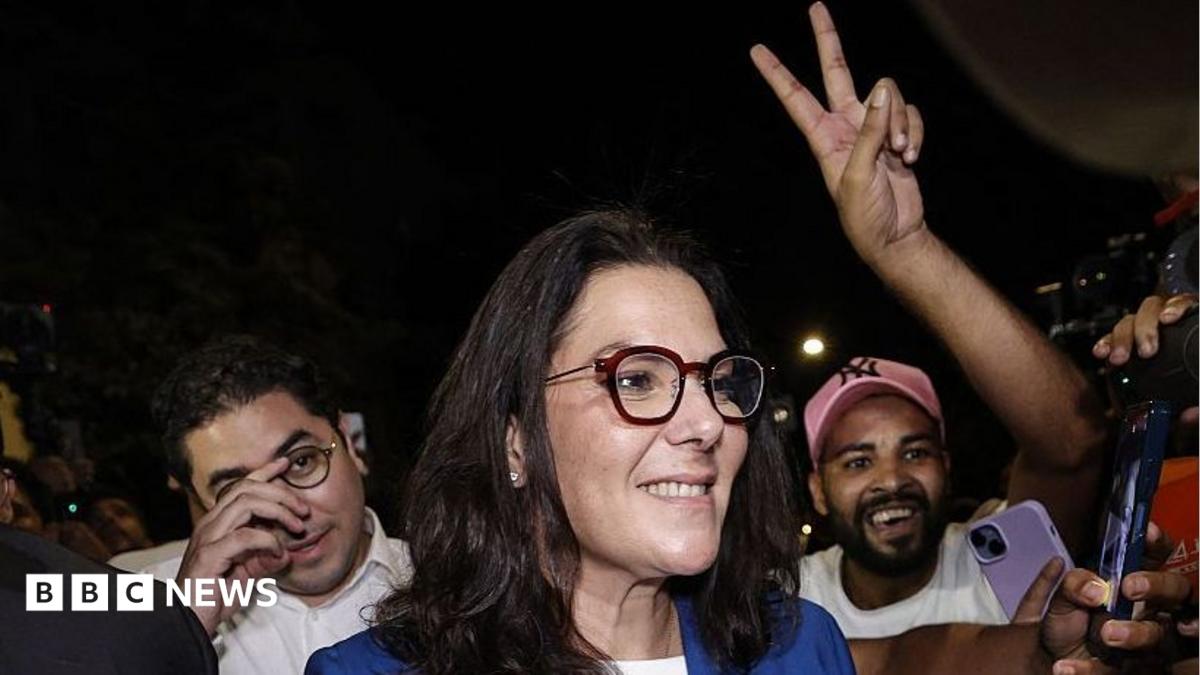
Morocco has made history by naming Fatima Zahra El Mansouri as its first female prime minister, following a strong electoral performance by her centrist Authenticity and Modernity Party (Pam). The landmark appointment, announced by King Mohammed VI, positions El Mansouri as only the second woman ever to lead a government in the Arab world, following Tunisia's Najla Bouden.
The 50-year-old lawyer and long-serving mayor of Marrakesh was selected over Fouzi Lekjaa, the country's football chief and a prominent figure within the same party. The king's decision to choose El Mansouri came after Pam secured the most seats in last week's parliamentary elections, a result that set the stage for the historic nomination.
Under Morocco's constitution, the monarch appoints the head of government from the party that finishes first in elections to the House of Representatives. While this process has typically been a formality in the past—largely because most Moroccan parties were led by a single secretary general, making the nominee obvious—the current situation is more complex. Pam has operated under a collective leadership structure since February 2024, leaving the final choice between El Mansouri and Lekjaa squarely in the king's hands.
El Mansouri acknowledged this ambiguity after the election results were announced, stating that the decision ultimately rested with the king. Her selection now makes her one of the most powerful political figures in a country where the monarchy retains most executive authority, despite Morocco's status as a constitutional monarchy.
A lawyer by training, El Mansouri studied at Mohammed V University in Rabat before continuing her education in France and the United States, where she specialized in business and corporate law. She entered politics following Pam's founding in 2008 and quickly made her mark, becoming the first woman to serve as mayor of Marrakesh in 2009. She later returned to that post after the 2021 elections, cementing her reputation as a durable and prominent political operator.
Over the past five years, El Mansouri served as a minister for national territory planning, urban planning, housing and city policy under former Prime Minister Aziz Akhannouch. In February 2024, she further elevated her standing within Pam by becoming the co-ordinator of the party's leadership coalition. Her career trajectory reflects a steady ascent through both local and national political ranks, positioning her as a seasoned figure capable of navigating Morocco's complex political landscape.
At a victory press conference held before her formal announcement as prime minister, El Mansouri was asked whether the state would need to make adjustments to accommodate her participation in Muslim religious ceremonies attended by the king, including Friday and Eid prayers, where men and women pray in separate sections. She chose not to answer directly, instead praising the king as "the biggest advocate for women" in Morocco and describing him as a holder of wisdom. She added that being entrusted with the responsibility of head of government would be a great honour.
The question highlighted the intersection of gender, religion, and politics in Morocco, a country where debates over women's rights and gender inequality continue to simmer. Despite these ongoing discussions, El Mansouri has rarely spoken publicly about such issues during her political career. Topics such as whether polygamy should be banned and whether men and women should have equal inheritance rights remain contentious in Moroccan society, yet El Mansouri has largely avoided taking a public stance on them.
She has also rejected characterizations of herself as an "iron woman," telling Pam's magazine in 2021 that she is "neither a woman of steel nor iron" but rather "a free activist." The statement suggests a leader who prefers to define herself on her own terms rather than conform to the expectations or stereotypes often imposed on women in high political office.
With 97 seats, Pam falls short of the 198 seats required for an absolute majority in Morocco's 395-member parliament. El Mansouri will therefore need to negotiate a coalition with other parties to govern effectively. The path forward is not entirely clear, as Pam has fallen out with the National Rally of Independents (RNI), which led the outgoing government in which Pam served as a junior partner.
The coalition-building process could prove challenging, particularly given the shifting dynamics among Morocco's political parties. The Islamist Justice and Development Party (PJD) staged a significant comeback in the elections, securing 54 seats compared to just 13 in the previous vote. The party's resurgence was bolstered by the return of its leader, Abdelilah Benkirane, a former prime minister. However, Benkirane has stated that the PJD will remain in opposition and has refused any partnership with Pam, further complicating El Mansouri's efforts to assemble a governing majority.
El Mansouri's appointment represents a notable moment for women in Moroccan politics and the broader Arab world, where female heads of government remain rare. Her success will depend not only on her ability to form a stable coalition but also on how she navigates the delicate balance of power between the elected government and the monarchy. While she has stayed away from controversial social debates in the past, her tenure may inevitably draw her into discussions about the role of women in Moroccan public life.
For now, the focus remains on the practical challenges ahead: building a coalition, managing relations with rival parties, and governing effectively in a system where ultimate authority rests with the king. As Morocco's first female prime minister, El Mansouri carries both the weight of history and the scrutiny that comes with breaking new ground. Her leadership will be watched closely, both within Morocco and across a region where women's political representation continues to evolve.




(0)