
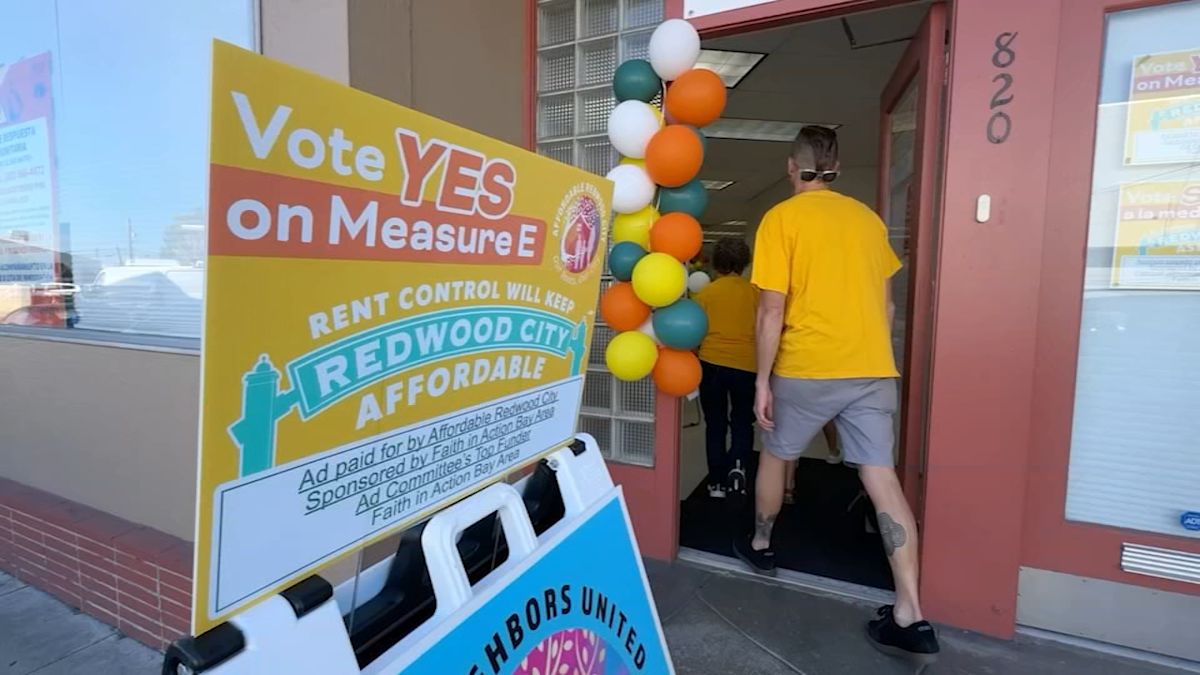
Voters in Redwood City are preparing to decide the fate of a comprehensive rent stabilization and tenant protection initiative this November. The ballot proposal, designated as Measure E, has ignited a fierce debate across the community, pitting tenant advocacy groups against local elected leaders and residential property owners over how best to manage escalating housing costs.
If approved by the electorate, the ballot measure would institute strict limits on annual rent increases for certain older residential buildings while broadening eviction defenses for local residents. The proposal comes at a critical time for the Bay Area municipality, where rising housing expenses continue to place significant pressure on low- and moderate-income households.
Under the regulatory framework outlined in Measure E, annual rent increases on covered older properties would be restricted to a maximum of 5% or 60% of the regional inflation rate as calculated by the Consumer Price Index, whichever amount is lower. Proponents designed this formula to shield tenants from abrupt rent surges that outpace their wage growth.
In addition to capping annual rent hikes, the measure establishes heightened protections for specific vulnerable demographics. Notably, it introduces targeted eviction safeguards for senior residents aged 62 and older, alongside enhanced legal protections intended to shield all qualifying tenants from arbitrary or unjust displacement.
Advocates of the measure have organized an extensive grassroots campaign to build support ahead of the upcoming election. Teams of neighborhood volunteers have been canvassing local residential blocks door to door, explaining the initiative’s key mechanisms and urging residents to back the proposed rental caps.
Faith in Action, a regional nonprofit organization committed to immigrant rights, housing equity, and social justice, has actively aligned with the campaign. Representatives of the group argue that the community urgently requires statutory intervention to curb unsustainable rental increases that threaten to displace longtime residents.
Grassroots supporters note that many local tenants currently experience annual rent hikes ranging between 8% and 10%, rates that outstrip household earnings. Community advocates such as Jack Thompson and Martha Beetley have stressed that the proposed 5% ceiling is crucial to slowing the financial strain on families and keeping older apartment units accessible.
Proponents also point to shifts in property ownership patterns within the city to justify the need for stricter local regulation. Campaign figures indicate that corporate entities and real estate investment trusts own approximately 87% of the apartment properties across Redwood City, which supporters argue diminishes local accountability.
Longtime residents have expressed growing alarm over the departure of longtime neighbors who can no longer cope with escalating housing costs. Resident Michael Range noted that many people who grew up in the municipality are finding it impossible to afford remaining in their hometown.
The initiative has also found support among some local policymakers. Redwood City Councilmember Chris Sturken has publicly endorsed Measure E, maintaining that preserving housing affordability is essential to safeguarding the city's economic backbone and keeping essential workers—such as grocery clerks and landscape laborers—rooted in the community.
Conversely, the ballot measure faces stiff resistance from landlord representatives and municipal leaders who argue that the policy is economically flawed and administratively burdensome. Opponents contend that the 46-page initiative imposes an intricate regulatory apparatus that will prove excessively expensive for the city to maintain.
Joshua Howard, representing the California Apartment Association, highlighted municipal estimates indicating that implementing Measure E would cost the city roughly $11 million each year. Furthermore, Howard pointed out that administering the new regulations would require the city to hire up to 18 new full-time municipal employees.
Opposition has also emerged from top city leadership, including Redwood City Mayor Elmer Martínez Saballos. While acknowledging the good intentions behind the push for renter relief, the mayor characterized Measure E as poorly drafted legislation that could inadvertently weaken existing local tenant safeguards.
Mayor Martínez Saballos and municipal consultants also raised concerns regarding the financial mechanisms needed to fund the program. To cover administrative expenses, the city would have to impose fees on landlords that could exceed $700 per unit, a cost that critics warn could make nonprofit affordable housing developments financially unsustainable.
Supporters remain steadfast, countering that the municipal costs and administrative fees are justified investments if they succeed in preventing displacement and stabilizing vulnerable working-class neighborhoods. The contentious campaign is expected to intensify in the coming weeks as both sides work to sway voters before Election Day.









(0)