
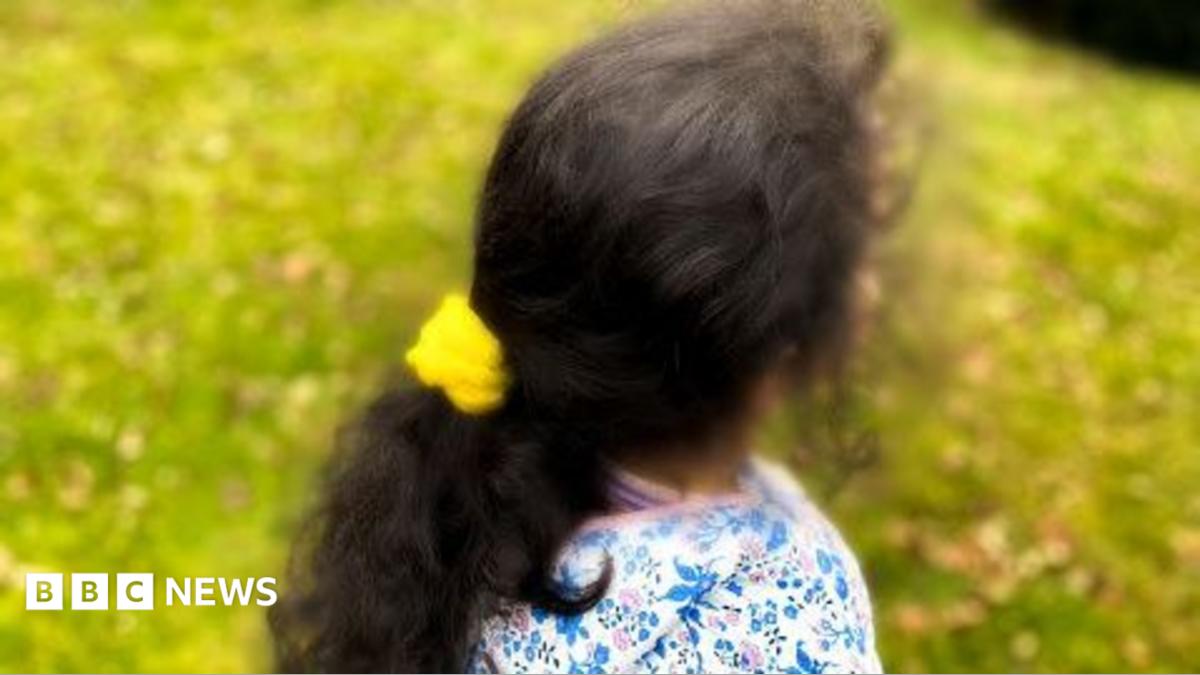
A trial court judge in India has written an extraordinary letter to a 10-year-old girl who survived sexual assault, promising that the man who abused her will spend the rest of his life behind bars. The letter, penned by Judge Rajani Ranga, has resonated deeply across the country, with many Indians describing it as an unusual and compassionate gesture from within a justice system that often feels impersonal to victims of violent crime.
The abuse occurred on 23 July 2023, when the child was just seven years old. The case was heard in a special court established under India's Protection of Children from Sexual Offences (Pocso) Act, a law designed to handle such sensitive matters with procedures intended to protect young victims. The trial court convicted the man and handed down a life sentence, specifying that he must remain imprisoned for "the remainder of his natural life." The court also awarded the survivor compensation of 1.05 million rupees, equivalent to roughly $10,941 or £8,274.
What set the judgment apart was not only its severity but the manner in which the judge chose to communicate it. Addressing the child directly as "Dear child," Judge Ranga described her as "the bravest little girl this court has ever seen." She explained that her decision to write in plain, warm language rather than formal legal phrasing was deliberate, saying she felt compelled to speak as a judge who had heard the child's voice, read her words, and been moved by her courage.
The letter referenced a plea the child had made during proceedings. Quoting the girl's own words, the judge wrote that when the child asked for the man she called "uncle" to be kept in jail until he grew old, the court had listened and answered. She assured the child that the convict would never walk free again, would grow old and die in prison, and would never be able to harm her, her younger sister, or any other child.
Judge Ranga also acknowledged the girl's bravery in coming forward. The child had told her mother about the abuse rather than remaining silent, and the judge credited that decision with ensuring the perpetrator could never hurt another child. She promised that he would never again see the sun as a free man. At the same time, she acknowledged the limits of what the court could offer, telling the child that while it could not restore her childhood, she should now focus on living, going to school, making friends, laughing, playing, and dreaming. The judge added that the court would always remember her courage.
The ruling was delivered on 11 July, but because Pocso cases are tried in special courts and judgments are never made public in order to protect the identities of victims, the letter initially went unnoticed. It came to public attention only recently, after it was reproduced in a Delhi High Court order that rejected the convict's appeal for bail and suspension of sentence. The High Court order named the convict, described as an adult, but provided no further details about him.
In their ruling, the High Court judges characterised Judge Ranga's letter as a message of encouragement to the child. They directed the Delhi State Legal Authority to print a copy of the letter and deliver it to the girl along with her compensation money, ensuring that the judge's words would reach the person for whom they were written.
The letter has since spread widely on social media, where many Indians have shared it and praised the judge. Commentators described it as a rarity and a ray of hope, noting how uncommon it is for a court to address a child victim with such directness and empathy. Alongside the admiration, many expressed sorrow at the horrific nature of the crime, which involved the sexual abuse of a child who was only seven at the time.
Campaigners, however, caution that while the judge's letter may be exceptional, the circumstances of this case are not. According to government crime data, more than 69,000 Pocso cases were recorded in India in 2024 alone. Studies indicate that in the majority of such cases, the abusers are known to the victims, often trusted individuals or caregivers, and that many incidents are never reported to authorities at all. This pattern means the true scale of child sexual abuse in India is likely far larger than official figures suggest.
Survivors and advocates say the consequences of such abuse can last a lifetime, affecting a person's mental health, relationships, education, and sense of safety long after the immediate harm has passed. Judge Ranga appeared to recognise this in her order, stating that after evaluating the nature of the crime, the depth of suffering, and the lifelong impact on the victim, she intended her ruling to serve as an attempt to heal and restore the child.
The case has drawn attention to the broader debate about how India's justice system treats survivors of sexual violence, particularly children. While the Pocso Act provides for special courts and protections intended to reduce trauma during legal proceedings, critics argue that the process remains daunting for young victims and their families. The judge's decision to write directly to the child has been cited as an example of how courts might acknowledge a survivor's experience beyond the technical language of a verdict.
The High Court's decision to reject the convict's appeal means the life sentence stands, and the letter will now be handed to the child as part of the compensation process. For many observers, the outcome represents both a legal conclusion and a symbolic moment, one in which a judge used her authority to offer reassurance rather than simply deliver punishment. The wider significance may lie in what it reveals about the potential for courts to treat children not merely as witnesses or victims in a case file, but as people whose voices are heard and whose courage is recognised.






(0)