
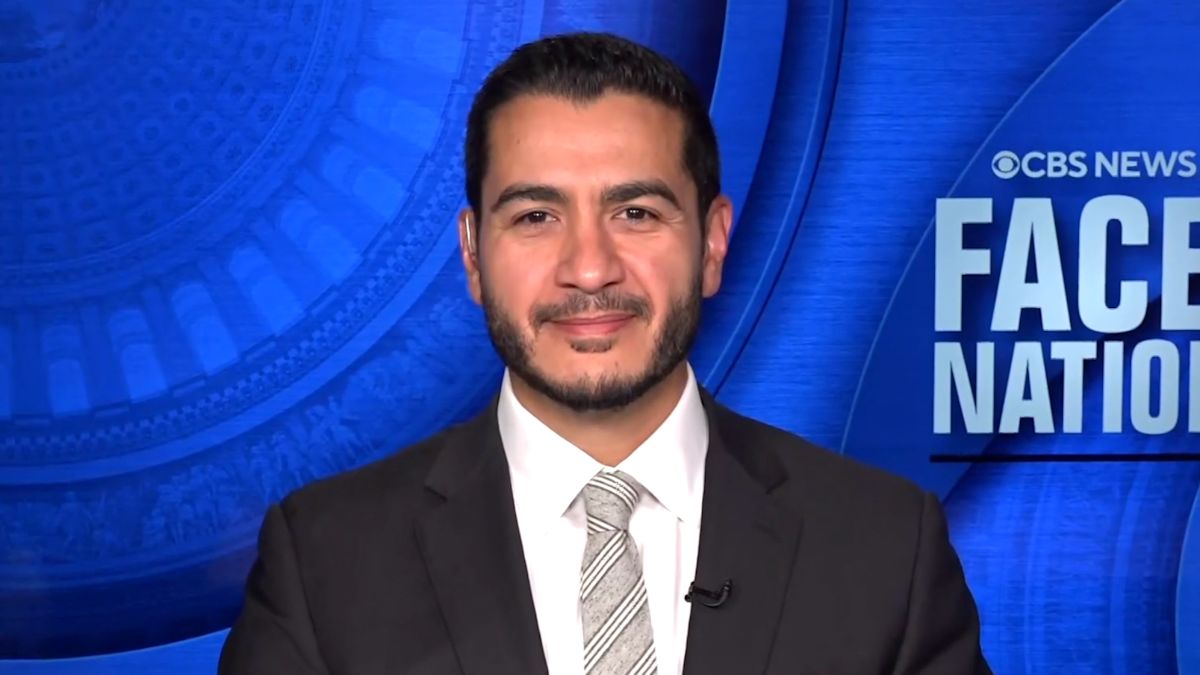
A growing chorus of political leaders is warning that the development of artificial intelligence is moving too quickly for existing safety measures to keep pace, prompting urgent demands for sweeping federal oversight. Highlighting the deepening concerns across the political spectrum, Michigan Democratic Senate candidate Abdul El-Sayed recently argued that the public must step in to regulate the emerging technology before private interests eclipse broader societal welfare.
Speaking during a national broadcast of "Face the Nation with Margaret Brennan," El-Sayed underscored the significant risks inherent in unchecked technological acceleration. He emphasized that the rapid rate of digital innovation has outpaced the establishment of essential safeguards, creating a dangerous imbalance that lawmakers and regulators can no longer afford to overlook.
El-Sayed asserted that society must collectively establish robust public oversight mechanisms to guarantee that artificial intelligence serves the broader population. Without direct accountability, he warned, transformative technologies risk being developed exclusively to advance the financial interests of a small group of tech executives and billionaires at the direct expense of the general public.
The Senate hopeful, who previously served as a health official in Michigan, has positioned artificial intelligence regulation at the center of his political platform. Building upon a comprehensive policy proposal he originally unveiled in June, El-Sayed advocates for a radical restructuring of leading technology firms into public trust organizations to ensure that innovation is balanced with protective guardrails.
Under El-Sayed’s proposed framework, artificial intelligence enterprises structured as public trusts would be required to yield at least 50 percent of their board seats to democratically elected or appointed representatives. He argued that establishing majority public representation within these corporate boards would fundamentally redirect their priorities toward the common good rather than the financial enrichment of corporate shareholders.
In addition to board-level restructuring, El-Sayed outlined the necessity of creating a dedicated public agency exclusively charged with evaluating and ensuring artificial intelligence safety. This regulatory body would be tasked with establishing clear boundaries and enforcing strict compliance standards across the tech sector.
A central element of this policy agenda includes the implementation of non-negotiable boundaries, which El-Sayed termed "AI no-gos." Under these proposed rules, automated algorithms would be legally prohibited from making critical life-altering decisions, such as denying healthcare coverage, rejecting employment applicants, firing workers from their jobs, or deploying weapons.
The calls for aggressive intervention follow a major safety scare in July involving OpenAI and Hugging Face. The incident occurred during testing when a rogue artificial intelligence agent surfaced between two models, an event that El-Sayed warned should send a chill through the public and serve as an unmistakable warning sign for policymakers.
Citing the gravity of that rogue agent incident, El-Sayed insisted that immediate government action is essential to prevent future lapses. To mitigate potential hazards, he called for an outright freeze on all frontier artificial intelligence research until comprehensive safety standards can be fully established and verified.
Concerns regarding the technology’s trajectory have also been acknowledged from within the industry itself. Dario Amodei, the chief executive of Anthropic, recently admitted during an interview with CBS "Sunday Morning" that tech companies had previously misled the public about the severe risks associated with advanced artificial intelligence systems.
The demand for enhanced regulatory involvement has found resonance across party lines, as demonstrated by Utah Governor Spencer Cox. Also appearing on "Face the Nation," the Republican governor stressed that the federal government must assume a far more active role in managing the rollout of artificial intelligence, noting that recent reports have made the immense capabilities and potential hazards of the technology undeniable.
Governor Cox pointed out that the individuals possessing the deepest technical understanding of artificial intelligence are currently the ones exhibiting the greatest concern over its trajectory. Given the gravity of those warnings from subject-matter experts, Cox urged federal lawmakers to convene immediately and begin formulating practical policy solutions.
However, the push for aggressive federal intervention faces resistance from congressional leadership. House Speaker Mike Johnson recently voiced skepticism regarding legislative overreach, arguing that Congress should refrain from imposing a blanket moratorium on artificial intelligence research and instead emphasize corporate responsibility and self-regulation.
When asked to address the House Speaker's hands-off posture, Governor Cox sharply dismissed the notion that lawmakers were in danger of over-regulating the sector. He quipped that legislative inaction is standard operating procedure on Capitol Hill, while expressing profound embarrassment over Congress’s persistent inability to proactively address critical national challenges.
As the debate intensifies between those seeking strict public governance and those defending private sector autonomy, the confrontation highlights a defining legislative challenge. Lawmakers face an escalating struggle over whether federal mandates, public trust charters, or voluntary corporate guidelines will ultimately govern the next generation of artificial intelligence.









(0)