
Content:
A catastrophic flash flood in the Grand Canyon has left more than 20 individuals missing and has forced the closure of critical trails and campgrounds. The sudden and intense flooding, triggered by heavy rains, has left the area in disarray and authorities are working tirelessly to account for the missing persons.
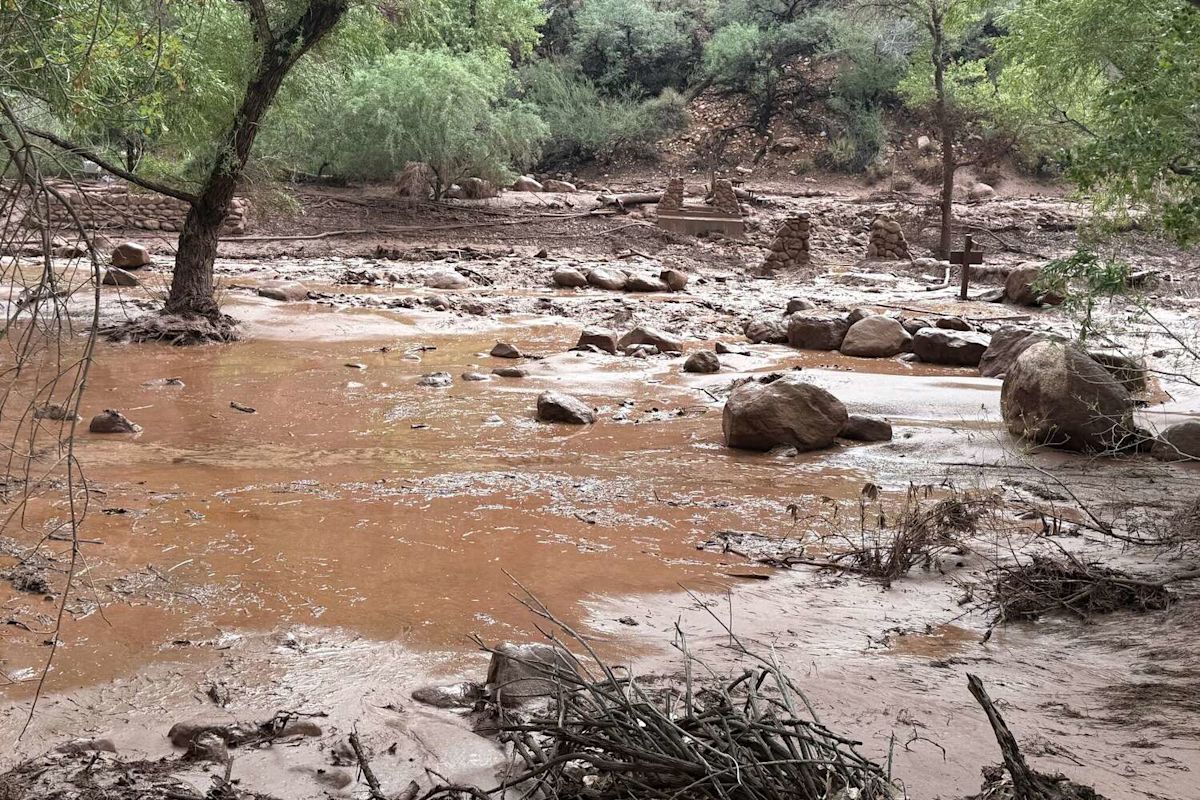
The disaster unfolded on Saturday afternoon when a strong thunderstorm dumped over an inch of rain in less than an hour on areas recently affected by wildfires. This heavy rainfall caused a mudslide of debris to surge through Bright Angel Canyon in Grand Canyon National Park, devastating the infrastructure and overwhelming the park's response teams.
The floodwaters rapidly rose, surpassing five feet in just 10 minutes, washing away bridges over Bright Angel Creek and prompting the immediate closure of a vital trail known for its challenging hike. As a result, a flash flood watch remained in place across the Grand Canyon, extending through Monday as meteorologists forecasted additional downpours in Arizona and Utah.
According to a statement by the National Park Service, 62 campers and hikers were safely airlifted out of the area by Sunday morning. However, concerns grew as the day progressed and the search for additional individuals intensified. Park officials issued a call for anyone with information regarding hikers or backpackers in the inner canyon to come forward, particularly those along the Bright Angel Creek corridor or near the North Kaibab Trail.
Phantom Ranch, the Bright Angel Campground, and the Phantom Ranch canteen and cabins were closed, while the Colorado River was shut down to prevent debris from causing further damage. The closure of key bridges crossing the river added an extra layer of concern for those searching for the missing individuals.
The park service warned that the cell phone service in much of Northern Arizona was difficult to maintain, further complicating the search efforts. In response, satellite phones have been tested and are providing some success outside the narrowest sections of the canyon.
This flash flood comes less than a year after the Dragon Bravo Fire ravaged the Grand Canyon's North Rim, destroying a historic lodge. The aftermath of wildfires, including changes to the soil composition, can greatly increase the risk of flash floods and debris flows.
The U.S. Geological Survey reported that the Colorado River rose by eight feet in just one hour during the flood, with Bright Angel Creek waters rising over five feet before a sensor was damaged. This dramatic increase in water levels was attributed to the combination of heavy rain and the compromised soil structure resulting from the wildfire.
The National Weather Service had previously warned of a slight risk of excessive rainfall in the Four Corners region, capable of triggering flash floods, particularly following short-duration rain bursts like the one that occurred on Saturday.
As the search continues, the Grand Canyon community, along with federal, state, and local agencies, are working together to locate the missing persons and ensure the safety of those in the affected area. The disaster has underscored the delicate balance of nature in this iconic American landmark and the importance of preparedness in the face of unpredictable weather patterns.




(0)