
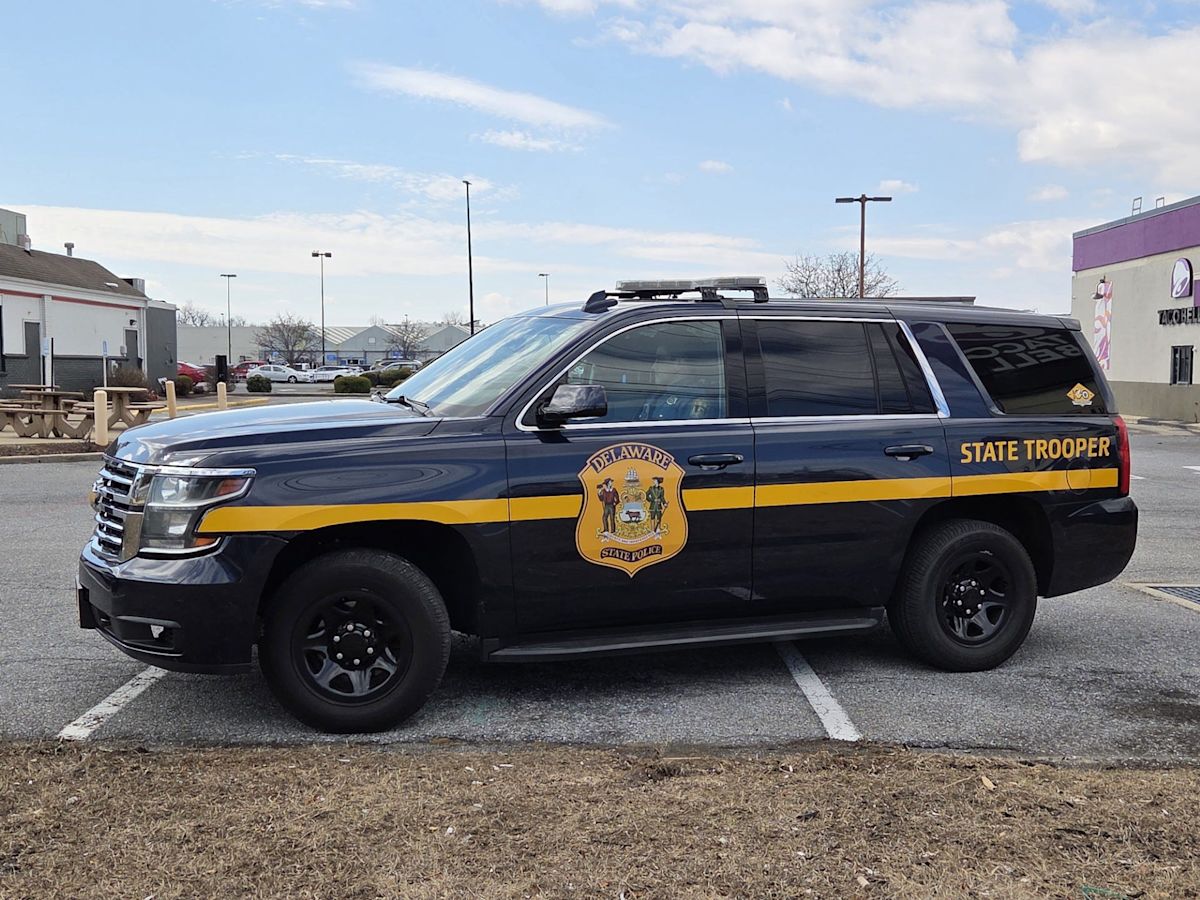
Law enforcement officials in Sussex County have publicly identified the two motorists who lost their lives following a catastrophic head-on collision near Bridgeville. The fatal incident, which occurred along a heavily traveled rural corridor, has prompted renewed discussions surrounding rural roadway safety, infrastructure design, and driver awareness across southern Delaware.
According to initial reports released by state investigators, the violent crash unfolded when one passenger vehicle crossed the center dividing line into oncoming traffic, resulting in an unavoidable impact with a vehicle traveling in the opposite direction. The force of the collision caused extensive structural damage to both automobiles, scattering debris across both lanes and immediately halting the flow of traffic.
The Delaware State Police, whose Collision Reconstruction Unit assumed control of the scene, confirmed that both drivers sustained critical injuries upon impact. Emergency medical personnel dispatched to the location pronounced both individuals deceased at the scene after determining that life-saving measures were not viable given the severity of the trauma. Authorities withheld the names initially to ensure proper notification of immediate family members.
First responders from nearby volunteer fire companies, paramedic units, and state troopers responded swiftly to the emergency call. Crews worked under demanding conditions to secure the perimeter, manage fluid leaks from the demolished vehicles, and clear the roadway. The route remained completely closed for several hours as forensic investigators meticulously documented physical evidence, skid marks, and vehicle resting positions.
Investigators are now working through a standard sequence of analytical procedures to establish why the vehicle drifted from its designated travel lane. Reconstructionists are examining potential contributing variables, including excessive speed, weather conditions, mechanical failure, sudden medical events, and the possibility of driver impairment or electronic distraction. Toxicological screenings and electronic control module downloads are expected to form key components of the ongoing technical inquiry.
The tragic incident highlights long-standing safety concerns associated with undivided, two-lane highways throughout Sussex County. These arterial routes routinely carry a challenging mix of high-speed passenger vehicles, commercial transit trucks, and slow-moving agricultural machinery. Without physical median barriers, any momentary lapse in vehicle control can lead to catastrophic head-on impacts with little room for evasive action.
Transportation safety analysts note that head-on collisions on undivided rural roads represent some of the most lethal motor vehicle incidents in modern transportation. Because two opposing vehicles collide with combined kinetic energy, the physical forces exerted on vehicle occupants frequently exceed the protective capabilities of modern seat belts and supplementary airbag restraint systems.
State transportation planners at the Delaware Department of Transportation have implemented a variety of countermeasure programs along high-risk secondary routes in recent years. These engineering initiatives include the installation of centerline rumble strips, high-visibility thermoplastic striping, enhanced advisory signage, and high-friction surface treatments designed to prevent lane-departure events on sweeping curves and narrow stretches.
Data tracked by state highway safety officials underscores that Sussex County accounts for a significant share of statewide traffic fatalities, in part due to its expansive geographic footprint and extensive network of rural roadways. While urban and suburban intersections often see higher frequencies of minor fender-benders, rural corridors disproportionately register severe and fatal outcomes due to higher posted speed limits and isolated travel conditions.
The incident has also resonated deeply with the local community and emergency response network. In rural Delaware, emergency operations are largely anchored by dedicated volunteer fire and rescue companies. Responding to high-impact fatal collisions takes a profound emotional toll on volunteer responders, who often live and work in the very communities they serve and occasionally know the victims involved.
Advocates with national and regional traffic safety organizations reiterate that the vast majority of lane-departure collisions are preventable. Studies consistently show that common root causes include mobile phone distraction, driver fatigue, aggressive passing attempts, and failure to adjust driving speed to low-light or adverse weather conditions. Safety campaigns continue to urge motorists to maintain complete focus and observe strict lane discipline.
Delaware State Police investigators have issued a public appeal for any additional witnesses who may have observed the vehicles prior to the crash, or who may have pertinent dashcam video footage recorded in the area around the time of the collision. Members of the public with relevant information are encouraged to contact the Sussex County Collision Reconstruction Unit.
As the families of the two victims begin the difficult process of arranging memorial services, community leaders and transportation advocates are calling for accelerated assessments of the corridor. The tragedy serves as a solemn reminder of the delicate margin for error on undivided highways and the vital importance of collective vigilance behind the wheel across regional transportation networks.







(0)