
French education authorities announced on Sunday that as many as 500 high schools will be either fully or partially closed when classes resume on Monday, following several days of increasingly violent confrontations between student demonstrators and riot police across the country.
Education Minister Édouard Geffray said lessons would be "totally or partly suspended" at somewhere between 400 and 500 lycées because security conditions at those sites "have not been fulfilled." The decision marks a significant escalation in a crisis that has been building since protests began last week, spreading from the Paris region to cities including Montpellier, Nantes and Marseille.
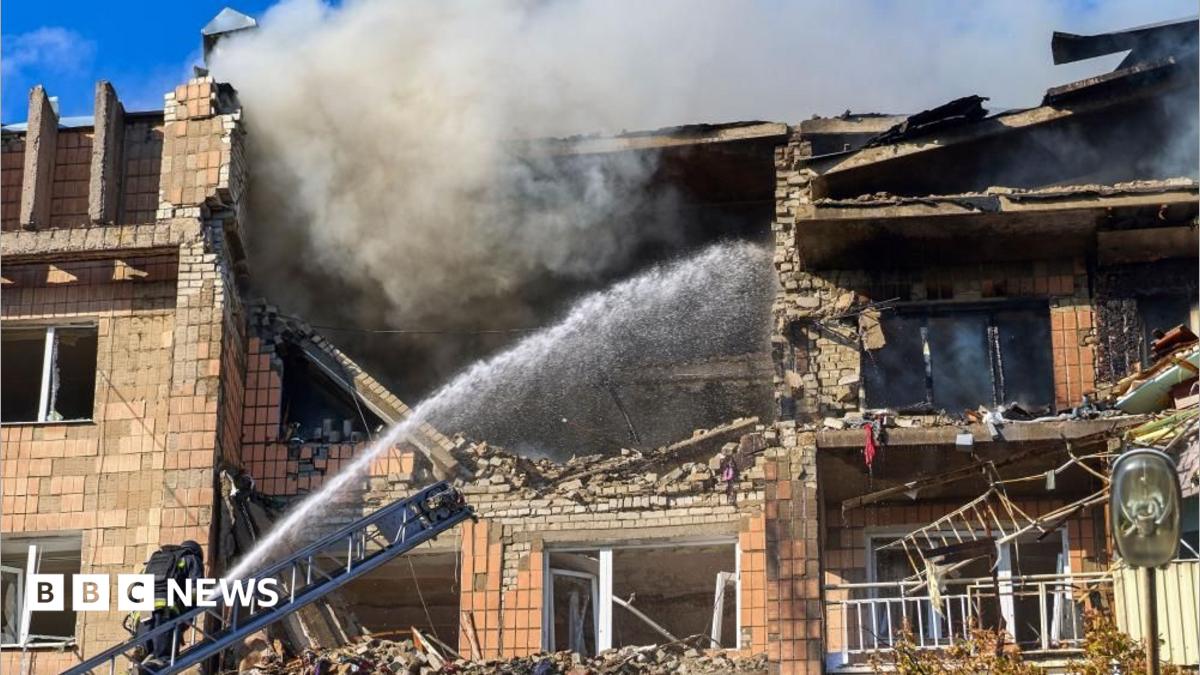
Geffray also revealed that 24 schools have been "burned or ransacked" since the demonstrations started, underscoring the scale of the physical damage inflicted during clashes that have shocked many observers of French education politics. The minister warned that the number of schools affected on Monday could end up being comparable to the figure reported on Friday, when Justice Minister Gérald Darmanin said 735 of France's 3,700 high schools had been touched "one way or another" by violent protests.
Despite the anticipated disruption, Geffray promised what he described as a "partial, progressive return to lessons," suggesting the government hopes to restore some semblance of normalcy even as tensions remain high. The closures represent a practical acknowledgment that many school communities are not currently safe environments for students or staff.
The education minister placed much of the blame for the unrest on what he characterized as outside agitators. He claimed that "activists — particularly from the far-left — have infiltrated the high school student movement, hijacked it from the students themselves, and engaged in extreme violence." Geffray argued this infiltration "clearly" poses a risk to both school staff and pupils, framing the situation as one in which genuine student grievances have been exploited for political ends.
He added that 78 education staff members have been wounded during the disturbances, describing the figure as "something we have never seen before." The disclosure is likely to intensify debate in France about the safety of teachers and other school personnel, and may strengthen the government's argument that firm security measures are necessary.
The scale of the disruption has been matched by the scale of the police response. Interior Minister Laurent Nuñez said 1,747 people were arrested on Friday alone. According to the AFP news agency, more than 5,000 people have been taken into custody since the movement began, with approximately 85% of those arrested being minors — a statistic that has raised troubling questions about the involvement of children in violent confrontations.
The protests initially focused on long-standing complaints about French public education. High school pupils and their supporters have objected to a shortage of teachers, overcrowded classrooms and run-down school buildings. Many demonstrators argue that the government has failed for years to invest adequately in secondary education, leaving students and staff to cope with deteriorating conditions.
The unrest has drawn a response from the highest levels of government. On Sunday, Prime Minister Sébastien Lecornu said his administration is taking further steps to "address the difficulties faced by high school students and educational staff." Among the measures he outlined were ensuring that classes continue, improving school facilities, better organising the school day, and making the French university admissions platform more transparent — a reference to the Parcoursup system, which has long been a source of anxiety for students and families.
Lecornu also said the government is accelerating its review of a so-called "vandal-pays" bill, designed to ensure that individuals responsible for damage bear the cost of their actions. The proposal reflects a growing determination within the government to pursue financial accountability alongside criminal prosecutions, particularly given the extensive damage reported at dozens of schools.
Student organisers, however, appear unconvinced by the government's overtures. According to AFP, they have accused the authorities of failing to offer "concrete measures" and have called for demonstrations to continue on Tuesday. That suggests the standoff is far from resolved, and that further closures and confrontations may lie ahead.
The coming days will test whether the government's combination of security measures, financial penalties and policy pledges can cool a protest movement that has already led to thousands of arrests and significant property damage. For parents, teachers and pupils across France, Monday will bring uncertainty about whether their schools will open at all, and whether the calm needed for learning can be restored.




(0)