
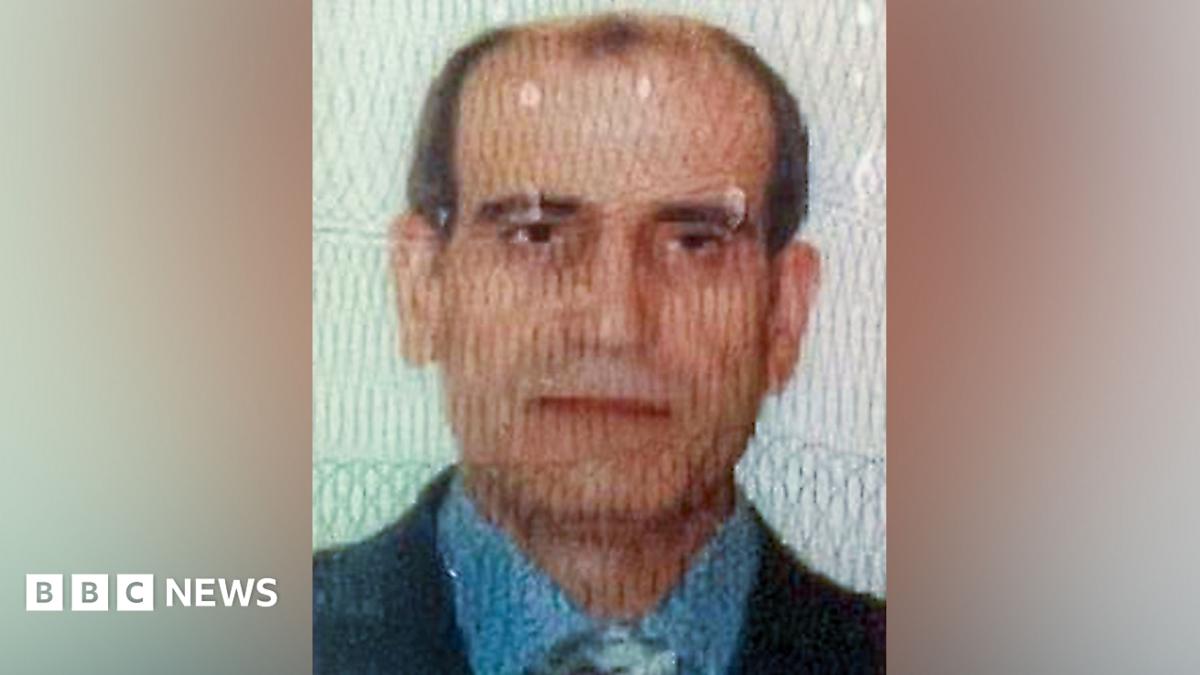
A former Syrian military general who is wanted for crimes against humanity and who once oversaw the country's chemical weapons programme is being protected and financed by American and Lebanese authorities, according to a joint BBC News and NPR investigation. The findings raise fresh questions about the lengths to which Washington is prepared to go in pursuit of answers about one of the longest-running hostage cases in modern journalism.
The man at the centre of the revelations is Bassam al-Hassan, a onetime senior adviser to former President Bashar al-Assad who is reported to have occupied a position in the chain of command when American journalist Austin Tice was abducted in Syria in 2012. Hassan is believed to have fled Syria following the collapse of the Assad regime in late 2024, initially escaping to Iran before re-emerging in Lebanon.
According to the investigation, Hassan has been allowed to remain in Lebanon under an arrangement in which the FBI and other US and Lebanese bodies play a role. The apparent currency of the deal is information: Hassan is reported to be willing to share what he knows about the Tice kidnapping, along with additional intelligence of value to US agencies. The BBC notes that only the FBI responded to its request for comment, declining to discuss the findings and pointing instead to a previous statement affirming its commitment to establishing the truth about the Tice case and securing his return. The CIA and Lebanon's General Directorate of General Security did not reply.
Central to the reporting is a detailed record of a meeting between Hassan, FBI and CIA representatives, and Lebanese security officials, reviewed by the BBC as part of the new podcast series "Where is Austin Tice?", the third series of I'm Not A Monster Presents. In that document, Hassan is reportedly offered residency, protection and assistance with his living costs in exchange for co-operation, chiefly on the Tice case. Sources familiar with the arrangement told the BBC that Hassan receives money from US authorities via an intermediary, a method that makes the payments more difficult to trace — a notable detail given that Hassan is himself sanctioned by the US government.
The deal is understood to have been struck in the spring of 2025, and there are signs it may not be delivering what Washington hoped. People connected to the Tice investigation said they had seen little evidence that it had materially advanced since Hassan began providing information. Others with knowledge of the matter expressed concern that the arrangement could roll on indefinitely, at considerable taxpayer expense but with limited return.
The reaction from the Tice family was sharply critical. A spokesperson for the family said that if the BBC's findings were accurate, it would be deeply offensive for public money to sustain the lifestyle of someone linked to the use of chemical weapons against Syrian civilians, particularly a figure said to have claimed involvement in Austin Tice's killing. The spokesperson characterised the arrangement as effectively abetting the escape of a wanted war criminal, and argued that Syrians are owed justice and that Hassan should be returned to stand trial.
Syria's new government appears to share that view. Officials from two separate branches of the post-Assad administration told the BBC they want Hassan repatriated to face a courtroom in Damascus, but that US authorities want him to stay in Lebanon — and that there is little the Syrians can do to change that. The impasse underlines the continued leverage Washington holds over the region's security architecture, even as power in Damascus has changed hands.
Hassan is not the only former regime figure apparently benefiting from a connection to the Tice case. One ex-regime member said he had received money from the FBI on multiple occasions in exchange for co-operating on the investigation. Crucially, he admitted he had an incentive to withhold information rather than reveal everything at once, because doing so allowed him to prolong the flow of payments. Another former regime member said he was living in Lebanon under what he described as US "patronage", and cited that protection as the reason he could not discuss Tice with reporters.
A former senior Lebanese intelligence official confirmed to the BBC that arrangements exist between Lebanese intelligence and their American counterparts, and that payments of this kind have occurred and continue to occur where the two agencies have overlapping interests in a case. However, he said he had no knowledge of any payments specifically connected to the Tice investigation.
The broader context of the story stretches back more than a decade. Tice, a US journalist, has been missing since 2012, and the BBC has previously reported that his abduction was a planned operation rather than an opportunistic act — with Hassan in the chain of command. That earlier reporting forms part of the same years-long investigation now unfolding in podcast form.
A Syrian businessman with strong ties to both the former regime and Lebanese authorities told the BBC that, after Hassan's initial flight to Iran, negotiations took place involving the US, Lebanon and Iran to relocate him to Lebanon. The businessman, who asked not to be named, said Hassan's value lay not only in what he might reveal about Tice but also in his knowledge of Syria's chemical weapons apparatus.
Taken together, the disclosures point to a uncomfortable set of trade-offs for Washington: pursuing a missing journalist while appearing to shield a sanctioned figure accused of grave international crimes. For the new Syrian government and for the Tice family alike, the central demand is the same — that a man wanted for crimes against humanity should face justice, rather than live comfortably under protection.






(0)