
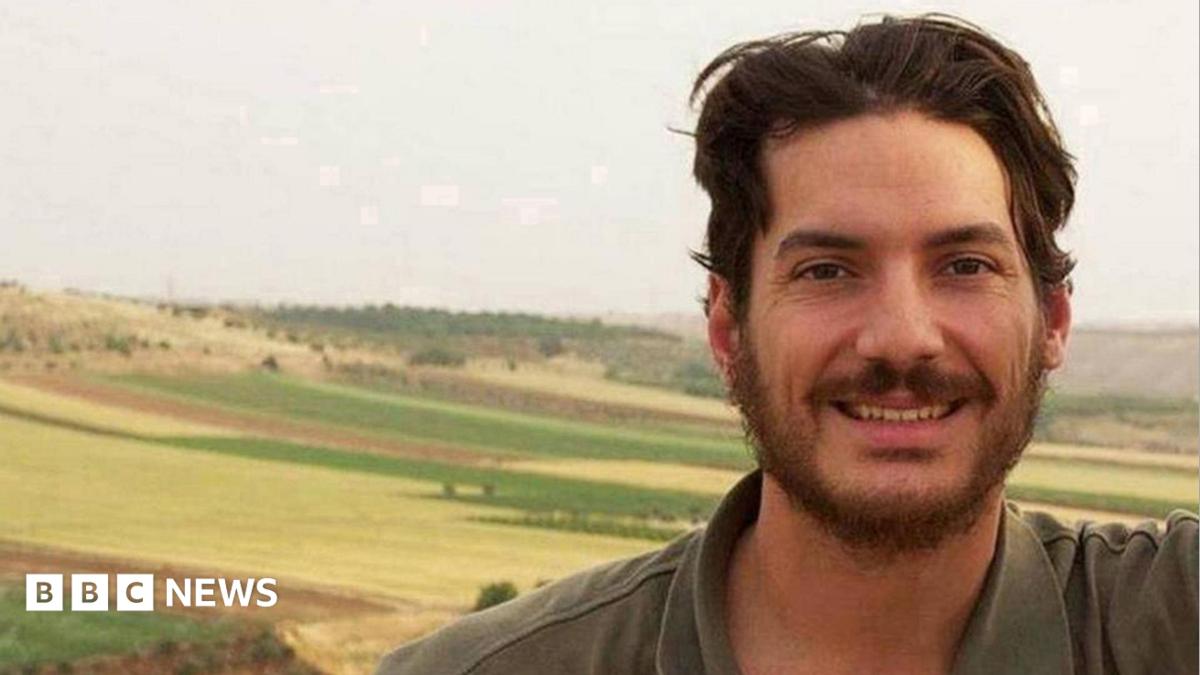
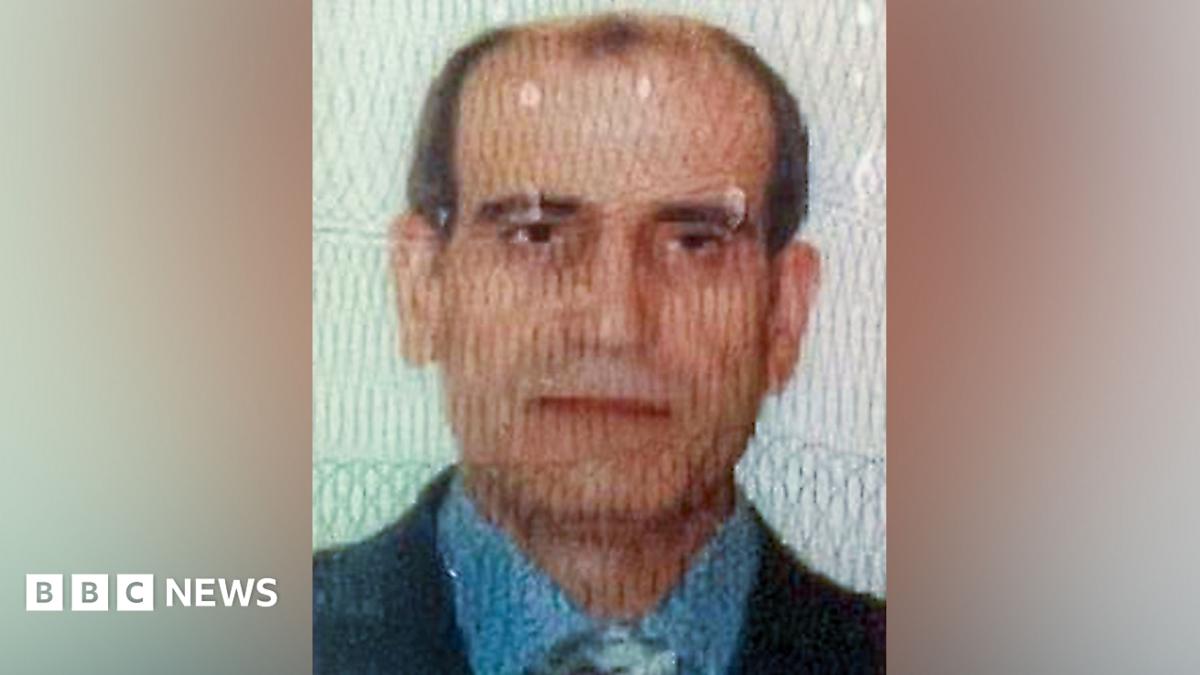
The 2012 disappearance of American freelance journalist Austin Tice in Syria was the culmination of a meticulously orchestrated regime plot spanning more than a month, rather than a random or opportunistic encounter at a military checkpoint. Fresh testimony and internal regime records reveal that the abduction of the former Marine captain was directly sanctioned at the highest level of the Syrian government by then-President Bashar al-Assad.
For over a decade, the prevailing narrative surrounding Tice’s disappearance suggested that he and his driver had inadvertently crossed paths with a government-controlled checkpoint while attempting to leave the country. However, newly disclosed evidence demonstrates that the abduction was deliberately planned and coordinated weeks in advance by state-aligned militia figures and intelligence operatives who closely monitored his movements.
The findings are the result of a multi-year investigation highlighted in the BBC podcast series "Where is Austin Tice?", produced by journalists Josh Baker and Sara Obeidat. Their extensive inquiries shed light on the mechanics of betrayal and state surveillance that trapped the American reporter, whose case has drawn sustained international attention and has been repeatedly raised by successive United States administrations.
Tice, who was a Georgetown University law student with previous military service as a US Marines captain, had traveled to Syria to report on the intensifying civil war. He ventured into high-risk, opposition-controlled areas that many international correspondents avoided, delivering prominent front-page dispatches for publications including The Washington Post during a period when the Assad regime was aggressively suppressing coverage of human rights abuses.
The fate of the missing journalist returned to global focus when the Assad regime collapsed 12 years after his capture. While the fall of the government resulted in tens of thousands of political prisoners emerging from state-run detention facilities across Syria, Tice was not among those liberated. Following the collapse, investigative teams utilized intelligence coordinates to search suspected holding sites for more than a month, but found no traces of his presence.
Conflicting accounts regarding Tice’s ultimate fate have continued to emerge. While a former Syrian commander alleged that the journalist had been executed, other sources have cast doubt on that claim, and no physical remains have ever been located. Despite this uncertainty, the post-regime period yielded hundreds of pages of classified Syrian intelligence files, offering the first definitive documentary evidence confirming that the state had indeed held him in custody.
The detailed operational history of how Tice was initially abducted has now been pieced together through recorded discussions and accounts from individuals involved in the detention. Among them is Abu Ali, a former operative with the National Defence Forces (NDF), a pro-government militia intensely loyal to Assad. According to Abu Ali, the plot was set in motion when Tice’s driver began acting as a regime informant.
The trusted driver, who had been covertly providing intelligence to the regime for an extended period, alerted Sakr Rustom, a senior NDF figure, about Tice’s reporting activities within rebel-held territories. Rustom occupied an influential position within the loyalist security network as the nephew of Bassam al-Hassan, the head of the National Defence Forces and one of President Assad’s most trusted security confidants.
Upon receiving the intelligence concerning Tice's location and activities, Hassan contacted the presidential palace directly to brief the Syrian leader. Abu Ali recounted that Assad issued a clear directive to his security chief, ordering loyalist forces to "bring him to us." Shortly thereafter, Abu Ali was called into Hassan’s office and informed that the president had formally authorized the capture operation.
Rather than executing an immediate arrest, regime operatives chose to extend the surveillance operation based on the recommendation of Tice's driver. The driver suggested maintaining the surveillance to gather more comprehensive intelligence on Tice's network and activities, reassuring the militia that the American placed complete confidence in him.
As the surveillance continued, the driver reported that Tice’s behavior appeared suspicious to loyalist watchers. Drawing on his previous military background, Tice occasionally advised rebel fighters on weapons handling and shared tactical knowledge. To the militia operatives tracking him, these interactions were interpreted as potential indicators of covert intelligence activity, leading them to suspect he was connected to the CIA. The BBC found no evidence supporting such claims, and a former senior US official involved in the case firmly dismissed any suggestion that Tice had worked for American intelligence.
In the final days before the abduction, the driver undertook a significant breach of trust while Tice was occupied interviewing rebel combatants. The driver secretly removed Tice's backpack, handing over his MacBook computer, a satellite transmitter, and various personal belongings to regime operatives for thorough examination before returning them.
On August 11, 2012, just days before his disappearance, Tice celebrated his 31st birthday alongside Free Syrian Army fighters at a safehouse located on the western outskirts of Damascus, only a short distance from Assad's presidential palace. In what would become his final public message on social media, Tice reflected warmly on the occasion, describing a gathering with music, drinks, and a pool as the "best birthday ever."
Shortly after the birthday gathering, Tice prepared to depart Syria and entered a vehicle with the trusted driver, completely unaware that his route had been compromised. More than a month after he vanished, the only known visual proof of his captivity emerged in a video showing him blindfolded and in visible distress, surrounded by armed men.
Throughout the years of his absence, Tice’s mother, Debra Tice, has maintained an unyielding public campaign, persistently lobbying successive US presidents and international diplomats to secure answers and bring her son home. The newly surfaced revelations underscore the calculated nature of the Assad regime's actions, demonstrating that Tice's capture was a deliberate, top-level state operation rather than a chance battlefield encounter.





(0)