
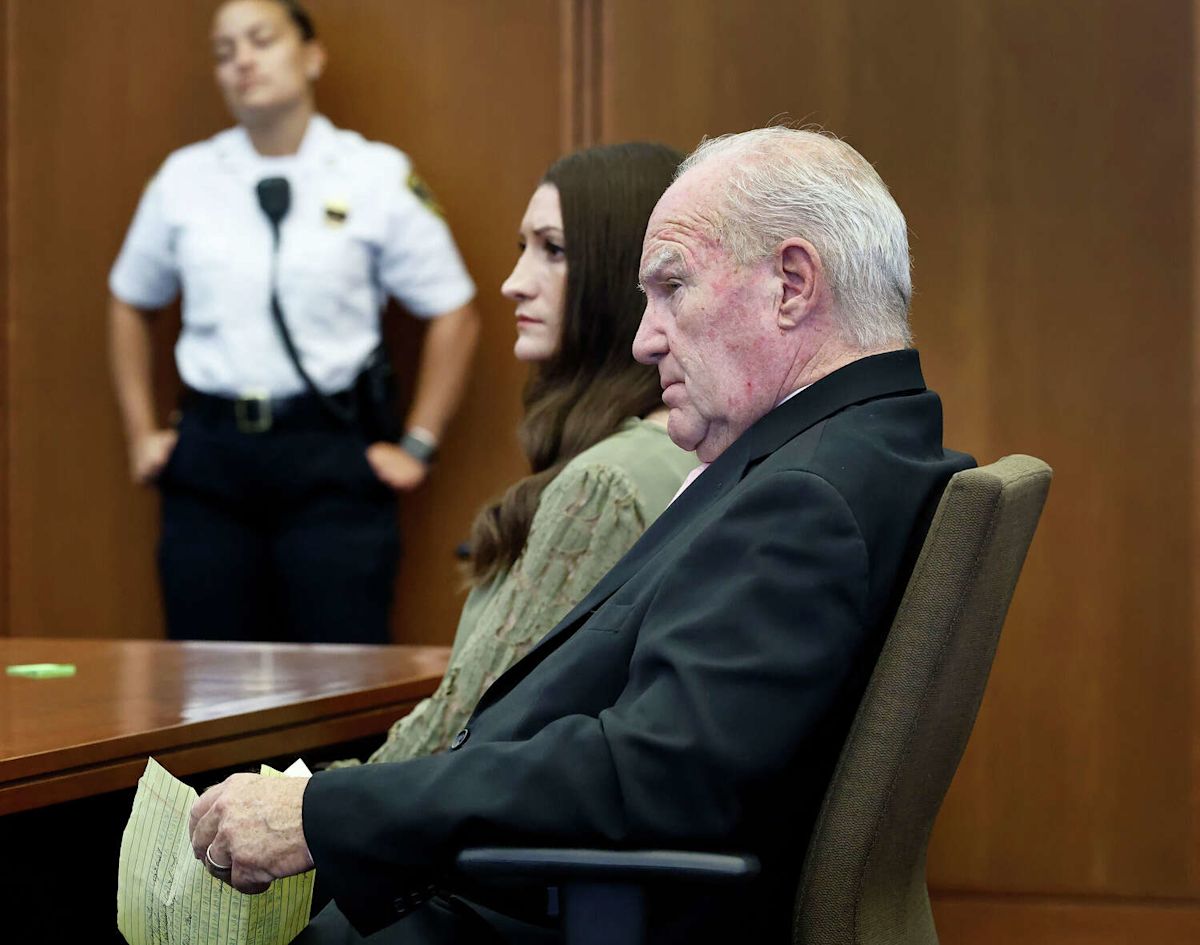
The judge presiding over the high-profile Massachusetts murder trial of Lindsay Clancy has ordered the identities of all participating jurors to be sealed indefinitely. In a ruling aimed at mitigating potential threats to the panel, the court determined that the intense public polarization surrounding the case poses a serious risk to juror safety, warranting complete confidentiality until a subsequent judicial directive is issued.
Judge William Sullivan announced the protective measure in a formal two-page judicial decision, stating that court records containing the identifying details of the 18-member panel will remain strictly impounded. The judge explained that allowing the public access to the names of the 12 deliberating jurors and six alternates at this juncture would create an unacceptable danger of immediate and irreparable harm.
The indefinite protective order replaces a temporary confidentiality measure that Judge Sullivan established when the proceedings concluded without a verdict on September 4, 2026. At that time, following approximately a full week of tense and ultimately deadlocked jury deliberations, the court declared a mistrial and initially sealed the records for a standard 14-day window to allow passions surrounding the trial to cool.
In detailing the necessity of extending the seal indefinitely, Judge Sullivan highlighted the extraordinary, divisive atmosphere that has developed around the trial both within the Commonwealth of Massachusetts and nationwide. The emotional and legal complexities of the case have ignited passionate debates, drawing widespread attention from observers and advocacy groups across the country.
The court specifically noted that digital platforms and social media channels have experienced an influx of commentary scrutinizing the jury’s decision-making process. According to the judge's findings, numerous online posts and forums have generated volatile reactions regarding the jury's closed-door deliberations, heightening concerns that individual panelists could become targets of harassment or retaliation.
Physical security concerns near the courthouse further influenced the court’s decision to withhold the names. Judge Sullivan referenced a prior incident during the trial in which a 56-year-old Massachusetts resident was taken into custody outside the building after being caught covertly filming jurors as they departed the venue. Although the arrested individual maintained she had intended only to film Clancy, the incident underscored the ongoing vulnerability of the panel.
Compounding the security dilemma, court records indicate that certain jurors had already been publicly identified through informal channels without their knowledge or consent. Furthermore, at least one member of the panel formally petitioned the court, specifically requesting that the confidentiality order be extended on an indefinite basis to safeguard their privacy and personal well-being.
The judge's indefinite impoundment order followed closely on the heels of public disclosures made by several jurors to news outlets after the mistrial was declared. In those media interviews, former panel members revealed intimate details about their deliberations, explaining that 11 of the 12 deciding jurors had reached a consensus to find Clancy not guilty by reason of insanity.
According to those juror accounts, the panel's inability to deliver a unanimous verdict rested entirely on a single dissenting juror. The remaining panelists claimed in their interviews that this lone holdout steadfastly refused to join the majority in voting for an acquittal, even after acknowledging during group discussions that there were substantial doubts regarding the defendant's criminal culpability.
The underlying criminal case against Clancy stems from the tragic events of January 24, 2023, at the family's residence. Clancy, a native of Connecticut, stands charged with three counts of first-degree murder in connection with the deaths of her three young children: five-year-old Cora, three-year-old Dawson, and eight-month-old Callan.
Investigators alleged that Clancy carried out the fatal strangulation of all three children inside their home during a brief window of time when her then-husband, Patrick Clancy, had left the premises to run errands. The catastrophic incident shocked the local community and quickly evolved into one of the most closely watched legal cases in recent regional history.
Throughout the criminal trial, the defense team, led by attorney Kevin Reddington, centered its legal strategy on Clancy's mental health status at the moment the children died. Defense counsel argued that Clancy was suffering from severe postpartum psychosis, an acute psychiatric condition that completely compromised her mental faculties and rendered her legally not criminally responsible for the homicides.
In stark contrast, prosecutors forcefully rejected the defense's psychiatric narrative, arguing that the killings were executed with purposeful premeditation and conscious design. The state characterized Clancy as a controlling and calculating individual who methodically planned the fatal actions, seeking a complete conviction on the first-degree murder charges.
With the mistrial formally registered on September 4 and the jury names now permanently shielded from the public domain, the court has prioritized panel protection as legal teams evaluate future proceedings. Judge Sullivan's ruling ensures that until an affirmative order dictates otherwise, the identities of those who served on the Clancy jury will remain safely beyond public reach.







(0)