
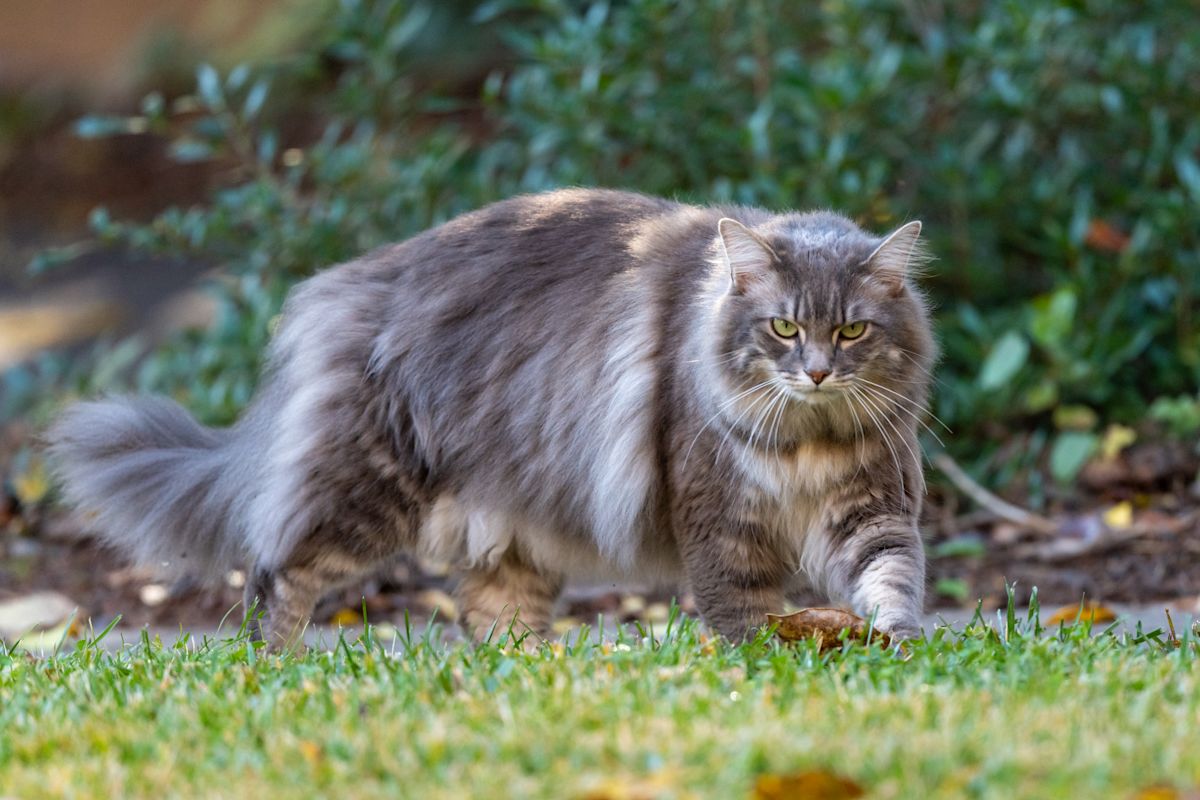
Long-haired feline companions have long captivated animal enthusiasts with their dramatic silhouettes, sweeping tails, and lush ruffs that frame their faces. These eye-catching physical attributes give long-coated cats an undeniably glamorous presence in homes around the world. However, the elegance of a dense or flowing coat represents more than simple visual appeal; it also introduces a significant commitment for prospective pet owners seeking to maintain their pet's health and appearance.
Unlike their short-haired counterparts, long-haired felines require consistent and proactive grooming routines to prevent health and hygiene issues. Without appropriate intervention, loose fur quickly becomes trapped against the skin, leading to dense tangles and painful matting. The degree of care required is not uniform across all cats, as coat density, texture, and individual behavior significantly influence how much maintenance each animal requires.
For owners willing to invest the necessary time and energy, these striking breeds offer profound companionship alongside their head-turning aesthetics. From naturally developed working breeds built for cold wildernesses to historic lap cats prized for their gentle dispositions, long-haired varieties showcase a broad spectrum of physical textures and personal temperaments. Evaluating these distinct profiles is essential for anyone considering welcoming a long-haired companion into their household.
Among the most recognizable long-haired felines across the globe is the Persian, an iconic breed celebrated for its flowing, smooth coat and unmistakable round face. Available in an extensive range of colors and coat patterns, the Persian presents a remarkably plush, regal aesthetic that has solidified its status as a timeless favorite. The breed’s visual grandeur is matched by its composed, sweet nature, making it ideal for peaceful domestic environments.
Persians typically thrive in calm living spaces where they can enjoy gentle affection without constantly demanding direct attention from their families. Nevertheless, their magnificent coats require substantial upkeep, often necessitating daily brushing sessions to stop knots and mats from forming. In addition, the breed’s unique facial structure frequently requires extra attention and regular cleaning to maintain proper hygiene and comfort.
At the larger end of the feline spectrum stands the Maine Coon, a breed renowned for pairing substantial physical size with a rugged, flowing coat. Distinguished by long, bushy tails and prominent tufts of hair emerging from their ears, Maine Coons possess a coat that grows notably longer around the neck and across the belly. This growth pattern creates a distinctive ruff that blends wilderness durability with domestic luxury.
Despite their imposing frame, Maine Coons are widely recognized for their friendly, sociable demeanor and adaptable personalities. Caring for this breed involves routine brushing to capture shed fur before it forms tangles, a task made slightly more demanding simply by virtue of the animal's large surface area and substantial body weight.
Another popular semi-long-haired option is the Ragdoll, an affectionate breed celebrated for its silky fur, pointed coat color variations, and striking blue eyes. The texture of the Ragdoll’s coat is exceptionally soft to the touch, lending the animal an inviting, cloud-like appearance that complements its deeply devoted temperament.
Ragdolls are famously people-oriented, often following family members from room to room or eagerly settling in to be held and cuddled by their caretakers. While their silky coats are somewhat less demanding than denser varieties, owners must still conduct regular grooming sessions, paying particular attention to high-friction spots such as underarms and hindquarters where mats commonly develop.
Emerging from Northern Europe, the Norwegian Forest Cat represents a naturally developed breed that evolved to withstand freezing Scandinavian climates. This majestic feline features a dense, weather-resistant coat, accompanied by tufted ears, a full tail, and an expansive neck ruff that evokes classic folklore.
In terms of temperament, the Norwegian Forest Cat is generally characterized by high intelligence, adaptability, and an affectionate yet independent spirit. Although the breed’s heavy coat can appear intimidating to prospective groomers, establishing a consistent brushing schedule—particularly during peak seasonal shedding phases—keeps the double coat healthy and manageable.
Sharing a similar cold-climate heritage, the Siberian cat is another ancient natural breed equipped with heavy armor against harsh weather. Siberians boast a distinctive triple-layered coat that provides formidable thermal insulation, resulting in an exceptionally plush, powerful physical appearance.
Renowned for being playful, clever, and affectionate, Siberians bring lively energy to the home alongside their formidable coats. Regular and rigorous brushing is critical for this breed, as their dense multi-layered fur can rapidly become compacted with loose hairs if ignored, particularly during periods of intense shedding.
For those who favor a distinctive appearance paired with a tranquil demeanor, the Birman cat offers a compelling combination of semi-long silky fur and quiet charm. Known for emitting soft, gentle vocalizations, Birmans stand out with their pointed color patterns, deep sapphire-blue eyes, and pure white paws known as "gloves."
The Birman’s silky coat structure provides a practical advantage, as it is naturally less susceptible to severe matting compared to woollier breeds. Even so, routine brushing remains beneficial for maintaining coat luster and removing shed fur, allowing the cat’s sociable, affectionate nature to shine through in everyday interactions.
Ultimately, while long-haired cats undeniably turn heads with their lush textures and dramatic profiles, their physical splendor requires dedication and knowledgeable care. Understanding the distinct coat types, grooming demands, and personality traits of each breed ensures that pet parents can provide the specialized care necessary to keep these magnificent animals healthy and thriving for years to come.









(0)