
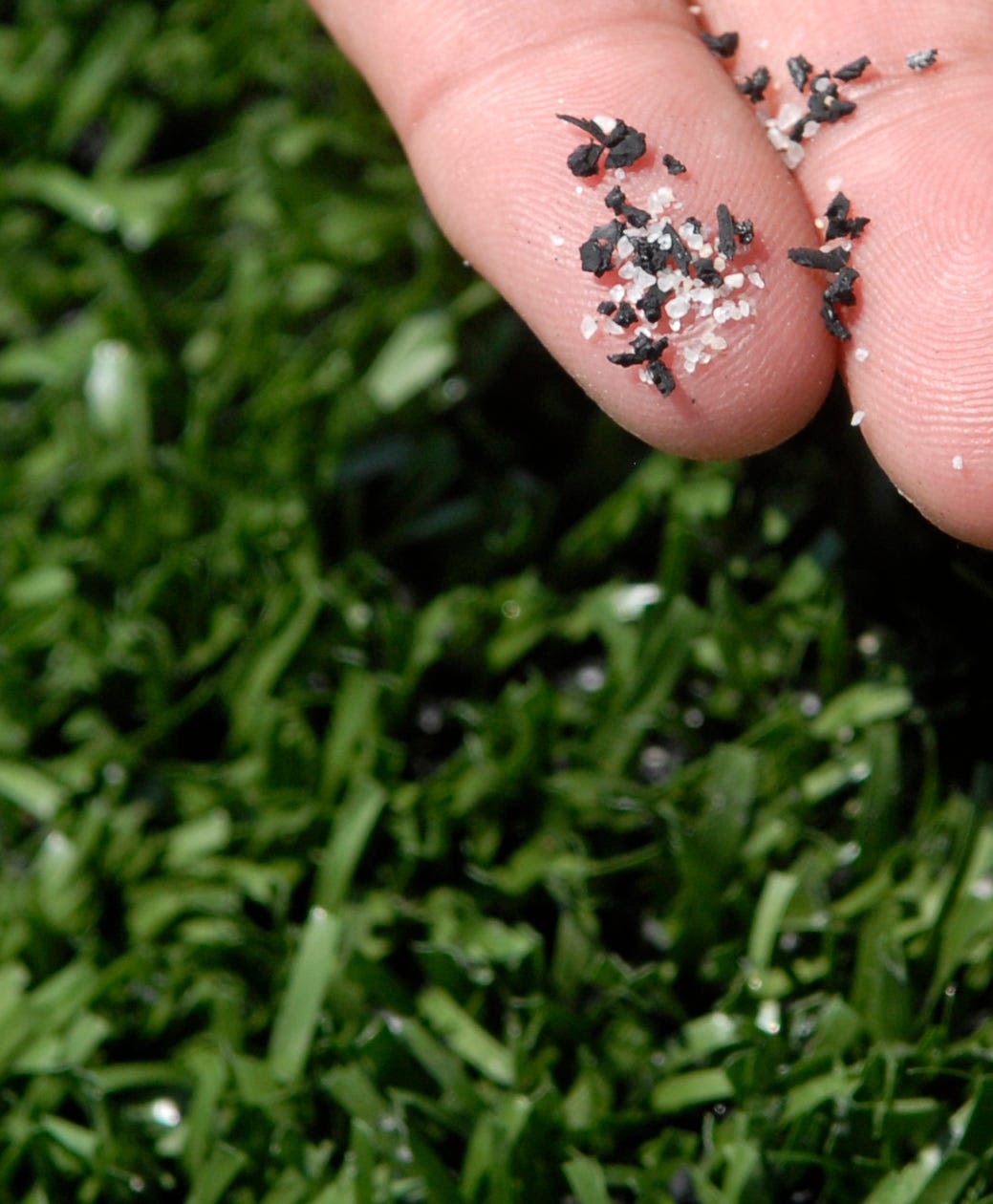
Property owners in Cape Canaveral who wish to replace their natural lawns with synthetic turf will now need to navigate municipal permitting procedures before moving forward. Under a newly approved local framework, any property owner seeking to install artificial grass on a lot measuring one acre or less must first obtain formal approval from the city.
The regulatory measure emerged during a city council meeting on Monday as local leaders sought to define the municipality’s role in managing synthetic landscape materials. The decision represents the city’s response to evolving state legislation that has reshaped how municipalities across Florida regulate residential and commercial landscaping options.
At the center of the local policy shift is a state statute enacted by the Florida Legislature in 2025. That state-level measure explicitly stripped local governments of their ability to institute outright bans on synthetic grass, forcing municipalities throughout Florida to reconsider their land development codes and find alternative methods for maintaining neighborhood aesthetics and environmental standards.
The municipal debate in Cape Canaveral revealed notable friction regarding the boundary between state authority and local governance. Mayor Pro Tem Kay Jackson openly voiced reservations during the proceedings, expressing deep frustration with how statewide mandates restrict local elected officials while imposing administrative steps on ordinary residents.
During the discussion, Jackson highlighted the perceived disparity between large-scale industrial operations and residential homeowners. She pointed out that major entities, such as the nearby port facility, possess the latitude to cover vast expanses with synthetic turf without facing the same micro-level scrutiny that individual residents encounter.
Jackson characterized the emerging regulatory system as an unnecessary bureaucratic hurdle for everyday citizens, questioning why state intervention necessitated local permit structures for modest home improvements. She argued that the overarching situation created an unreasonable layer of extra legislation directly targeting the community's homeowners.
Despite her initial skepticism, municipal staff engaged with Jackson and other council members to explain the strategic necessity of the permitting framework. Staff members emphasized that because Florida state law completely prohibits cities from outlawing fake grass, establishing a formal permit review remains the primary legal avenue for the city to maintain oversight.
City officials explained that without a structured permitting system, the municipality would have virtually no mechanism to inspect installations, confirm quality standards, or ensure that synthetic materials do not interfere with adjacent properties or city infrastructure. Convinced by the rationale presented by staff, Jackson ultimately decided to cast an affirmative vote in favor of the measure.
The policy adopted in Cape Canaveral reflects a wider pattern across Florida, where municipal leaders frequently grapple with state preemption measures. When state legislators limit home-rule authority on environmental and zoning matters, local councils are often left searching for narrower regulatory mechanisms that comply with Tallahassee’s mandates while still addressing local community interests.
By limiting the permitting requirement to properties measuring one acre or smaller, the regulation specifically targets the compact residential and commercial parcels that comprise much of the coastal community. These smaller lots represent the vast majority of neighborhood properties where artificial turf installations are increasingly contemplated.
Demand for synthetic turf has grown in many coastal and sunny environments as property owners seek low-maintenance landscaping solutions that eliminate the need for routine mowing, chemical fertilizers, and heavy irrigation. For many homeowners, the prospect of year-round green lawns without high water bills presents a compelling alternative to temperamental natural grass.
At the same time, municipal planners and environmental advocates often raise considerations regarding artificial grass, including storm runoff, surface drainage, heat absorption, and the long-term durability of synthetic fibers. A structured permitting process allows municipal inspectors to verify that underlying base layers are properly engineered and that stormwater can adequately permeate the ground.
With the new regulations now in place, Cape Canaveral residents planning to convert their lawns must prepare technical details of their proposed installations and submit them for municipal review. This process ensures that every project conforms to local building and development standards prior to any ground preparation or installation work.
The adoption of the permit requirement highlights the delicate balancing act facing Cape Canaveral officials as they manage local neighborhood standards within the constraints of state-mandated property laws. While the city can no longer prevent property owners from choosing artificial turf, the new permitting system guarantees that local inspectors will oversee how those installations are executed across the community.








(0)