
Russian forces have intensified their assault on Ukraine's capital, launching a series of strikes on major bridges in Kyiv over the past four days. The attacks represent a significant escalation in Moscow's campaign against the city, with critical infrastructure now firmly in the crosshairs. The Pivnichnyi (Northern) Bridge has been struck for a second consecutive day, while the Pivdennyi (Southern) Bridge was hit multiple times earlier this week, according to BBC reporting from the ground.
The timing of the latest assault has drawn particular attention, as it coincided with a surprise visit to Kyiv by German Chancellor Friedrich Merz on Sunday. The visit underscores the ongoing diplomatic efforts by Western allies to demonstrate solidarity with Ukraine, even as the security situation in the capital remains highly volatile. The German chancellor's presence in the city during active strikes highlights the persistent danger facing both Ukrainian civilians and international officials who travel to the region.
BBC Ukraine correspondent Dan Johnson reported from near one of the targeted bridges, providing firsthand insight into the unfolding situation. His reporting forms the basis of what is currently known about the strikes, which have targeted key crossing points over the Dnipro River. These bridges serve as vital arteries for transportation, commerce, and civilian movement within the capital, making them strategically significant targets in any military campaign.
The Pivnichnyi Bridge, also known as the Northern Bridge, is one of the primary vehicular crossings connecting the left and right banks of Kyiv. Its repeated targeting over consecutive days suggests a deliberate strategy aimed at disrupting connectivity and imposing pressure on the city's residents. The Pivdennyi Bridge, or Southern Bridge, similarly functions as a critical link in the capital's transport network and was subjected to multiple strikes earlier in the week.
These structures are not merely symbols of infrastructure; they represent lifelines for the millions of people who call Kyiv home. Damage to such bridges can severely impede the movement of goods, emergency services, and civilians seeking safety. The psychological impact on the population is also considerable, as the strikes signal that no part of the city—not even its most essential infrastructure—is beyond the reach of Russian attacks.
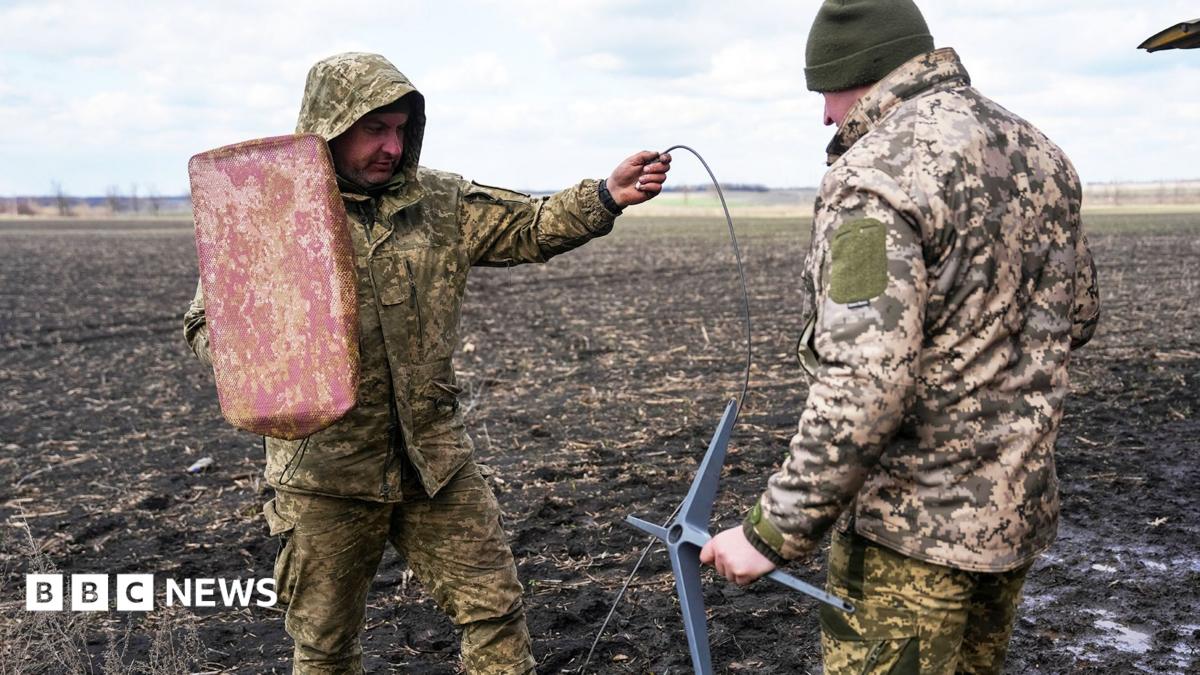
The use of drones in these strikes has become a hallmark of Russia's recent tactics. Drone attacks allow for precise targeting while minimizing the risk to Russian personnel, and they can be launched in swarms to overwhelm air defenses. The ability of Ukrainian forces to intercept these drones while simultaneously protecting critical infrastructure presents an ongoing and complex challenge for the country's military planners.
This wave of attacks comes amid a broader pattern of increased Russian strikes on Kyiv and other Ukrainian cities. The capital had experienced a period of relative calm earlier in the conflict, but the recent escalation indicates a renewed focus on undermining morale and disrupting daily life. Analysts suggest that such campaigns are designed not only to achieve immediate military objectives but also to erode public confidence and create pressure on Ukraine's leadership.
The targeting of bridges specifically raises questions about Russia's strategic intentions. Bridges are dual-purpose infrastructure—they serve civilian needs but also facilitate military logistics. By striking these crossings, Russian forces may be attempting to complicate the resupply and reinforcement routes available to Ukrainian defenders. However, the strikes also carry a high risk of civilian casualties and significant economic disruption, which has drawn widespread international condemnation.
Ukrainian officials have consistently characterized such attacks as war crimes, arguing that deliberate strikes on civilian infrastructure violate the principles of international humanitarian law. The international community has largely echoed these concerns, with Western governments pointing to the targeting of civilian areas as evidence of Russia's disregard for human life. The strikes on Kyiv's bridges add another layer to these allegations.
The surprise visit by German Chancellor Friedrich Merz is significant in this context. Germany has been one of Ukraine's most important supporters, providing military and financial assistance throughout the conflict. Merz's presence in Kyiv during an active attack sends a powerful message of solidarity and resolve. It also demonstrates that Western leaders are willing to take personal risks to stand with Ukraine, even as the security situation remains dangerous.
The visit may also signal continued German commitment to Ukraine's defense at a time when political dynamics in Europe and the United States are shifting. Support for Ukraine has become a subject of debate in several Western capitals, with some voices questioning the sustainability of long-term aid. Merz's trip can be seen as an effort to reinforce the message that Germany remains steadfast in its backing of Kyiv.
What remains uncertain is the full extent of the damage caused by the recent strikes. Initial reports indicate that the bridges have been hit, but the structural integrity of the crossings and the number of casualties have not been fully confirmed. Emergency services and local authorities are likely assessing the situation, and further details may emerge in the coming hours and days. The dynamic nature of the conflict means that information is often incomplete and subject to change.
For the residents of Kyiv, the attacks bring renewed fear and uncertainty. Many have endured months of war, displacement, and loss, and each new strike serves as a painful reminder that the conflict is far from over. The targeting of bridges—structures that facilitate everyday life—underscores the extent to which the war has permeated every aspect of existence in the capital.
Looking ahead, the international response to these strikes will be closely watched. Western governments may consider additional sanctions on Russia or further military assistance to Ukraine in response to the escalation. The targeting of civilian infrastructure often serves as a catalyst for such measures, as allies seek to impose costs on Moscow for its actions. Whether these responses will be sufficient to deter future attacks remains an open question.
Ultimately, the strikes on Kyiv's bridges represent a dangerous escalation in a conflict that has already exacted a devastating toll. They highlight the vulnerability of critical infrastructure in modern warfare and the challenges facing Ukraine as it attempts to defend its cities while maintaining the functions of daily life. The coming days will reveal more about the resilience of Kyiv's infrastructure and the determination of its people to endure.







(0)