
Florida is currently witnessing a confluence of major political shifts, collegiate sports upheaval, and distinctive lifestyle developments that are capturing statewide attention. From an unprecedented gubernatorial contest that challenges conventional voting coalitions to high-stakes administrative changes in college athletics, recent headlines reflect a rapidly evolving landscape across the Sunshine State.
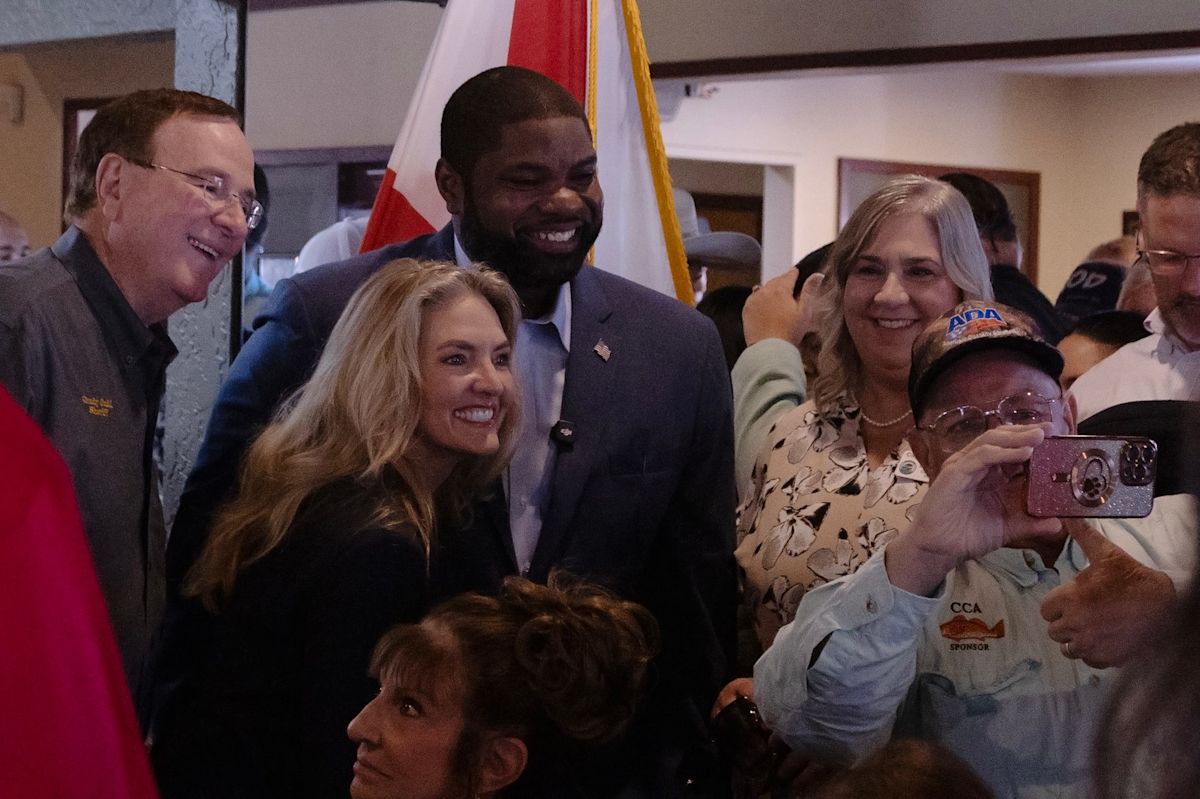
At the forefront of state politics is an unconventional gubernatorial matchup that is dramatically upending traditional party lines and demographic expectations. Political observers are closely monitoring how racial dynamics and party allegiance will interact at the ballot box as both major parties navigate uncharted territory in candidate selection and voter engagement.
The Republican Party in Florida enters the election cycle backed by a substantial structural advantage, boasting a voter registration lead of roughly 1.5 million voters over Democrats. With this considerable numerical edge, GOP voters now face the historic prospect of potentially electing the first Black governor in Florida's history, a milestone that underscores changing political alignments across the state.
On the opposing side of the ticket, Democrats are fielding David Jolly, a prominent candidate whose personal political trajectory adds another complex layer to the campaign. Jolly, who previously served in public office as a Republican before aligning with the Democratic ticket, presents voters with a unique profile that deviates significantly from traditional party nominees.
This dynamic has raised critical strategic questions regarding whether Black Democratic voters will be sufficiently motivated to turn out in high numbers for Jolly. Because Black voters have long constituted a foundational base of support for the Florida Democratic Party, candidate enthusiasm among this core constituency is widely viewed as an essential factor in determining the viability of the Democratic campaign.
As the campaign progresses, the cross-cutting factors of race, former partisan affiliation, and structural voter registration numbers are redefining standard electoral playbooks. Both political parties are compelled to recalibrate their outreach strategies to bridge historic divisions and mobilize diverse voter coalitions ahead of the general election.
Beyond the realm of politics, Florida's collegiate sports landscape experienced a seismic shakeup following an abrupt personnel decision at Florida State University. The Tallahassee-based institution made headlines with an immediate change at the top of its athletic department leadership, sending ripples across collegiate athletics programs statewide.
Florida State University officially parted ways with Athletic Director Michael Alford on Monday. The decisive move brought an unexpected end to Alford's administrative run, signaling a fresh direction for the university's comprehensive sports portfolio and administrative leadership team.
During his administrative tenure at Florida State, Alford oversaw a transformative period marked by extensive changes across Seminole athletics. His leadership guided the department through substantial institutional transitions and modern collegiate athletic developments aimed at keeping the university competitive on the national stage.
However, the broader achievements and administrative overhauls of Alford's tenure became increasingly overshadowed by difficulties within the flagship football program. The recent on-field struggles of the Seminoles football team mounted pressure on the athletic department, ultimately culminating in the decision to make a high-profile change at the athletic director position.
In addition to political and athletic developments, statewide coverage has highlighted practical guidance for residents navigating Florida's outdoor environment. As outdoor activity continues year-round, state environmental guides are providing crucial information regarding native stinging insects that residents frequently encounter.
The informational initiative focuses on helping Floridians properly distinguish between various stinging insects, including wasps, hornets, and yellow jackets. While these species often look similar to the untrained eye, their behaviors, nesting habits, and threat levels to humans vary considerably across suburban and rural settings.
Environmental experts emphasize that not every stinging insect in the state poses an active threat to people. Understanding specific behavioral cues and physical characteristics allows residents to identify which insects are benign pollinators or pest controllers, and which specific species warrant maintaining a safe distance to prevent painful stings.
Rounding out the statewide highlights is a cultural spotlight celebrating Florida's architectural and scenic beauty. Architectural Digest recently selected its premier choice for the prettiest town in Florida, bringing renewed national recognition to the state's picturesque coastal communities.
The featured coastal destination is widely renowned for its pristine sugar-white sand beaches and charming pastel-colored cottages. Beyond its striking visual appeal and architectural design, the town holds a memorable place in pop culture history, having served as the iconic primary filming location for the acclaimed motion picture "The Truman Show."
These key stories—spanning groundbreaking electoral politics, major university athletic transitions, practical wildlife safety, and celebrated coastal architecture—form the centerpiece of the Florida TODAY statewide newsletter. Produced by the USA TODAY Network-Florida, the daily publication delivers comprehensive coverage of the critical issues and unique stories shaping the state.







(0)